Introduction
Thinking about installing a mini split in your home? Great choice—mini split systems are energy-efficient, quiet, and perfect for U.S. homeowners looking to heat or cool specific rooms without ductwork.
But before you schedule the installation, there are a few important things you must know. These five points will help you avoid extra costs, ensure safety, and guarantee the best performance from day one.
1. Make Sure Your Home Is Suitable for a Mini Split
Mini splits work well in most American homes, but a few checks are essential:
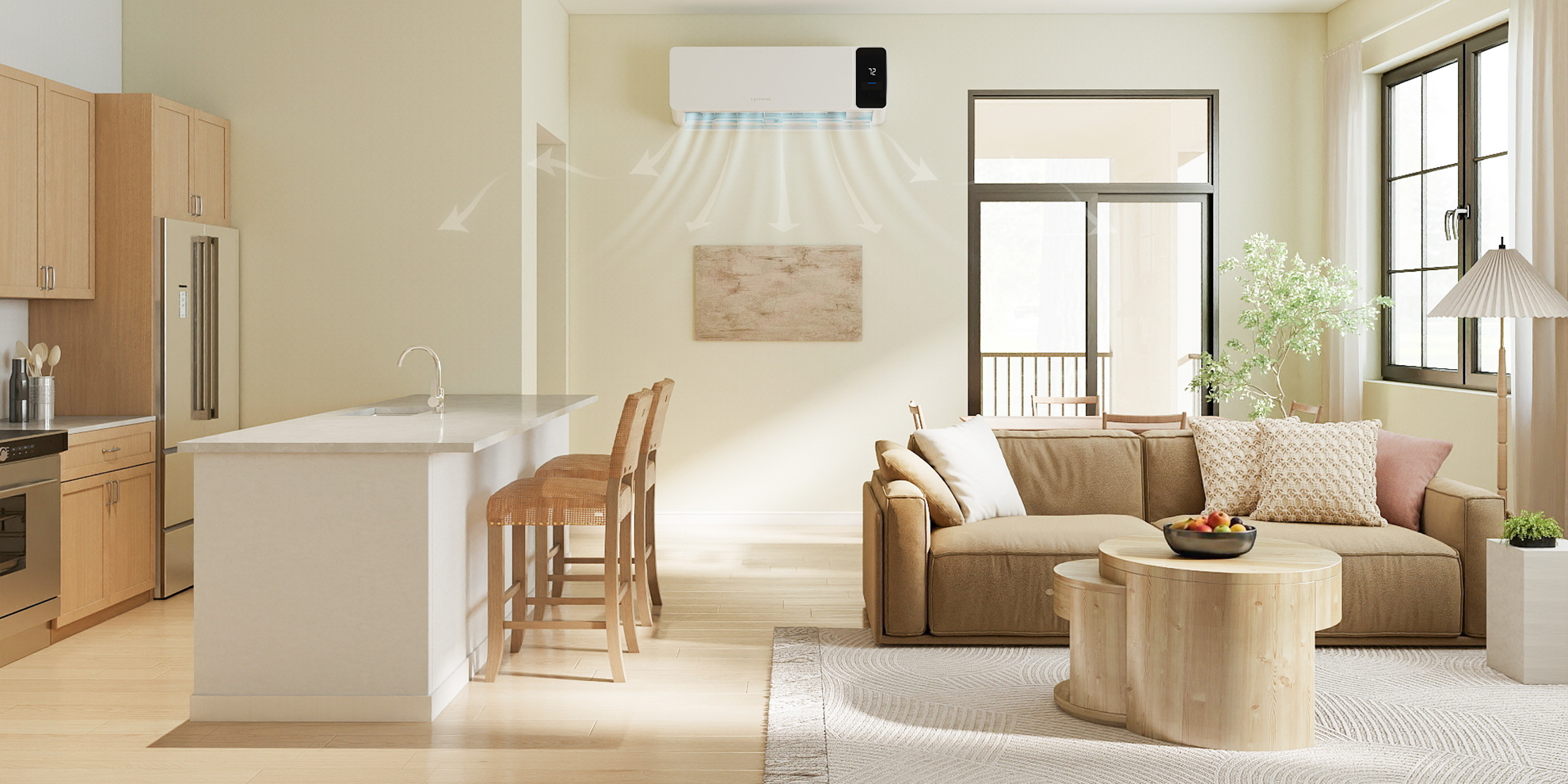
Room layout: Open-concept spaces work best. If you have many small rooms, you may need multiple indoor units.
Electrical capacity: Older homes may require an electrical panel upgrade.
Building type: Garages, basements, rental units, sunrooms, and attics all have different installation considerations.
Solution:
Create a quick home checklist to confirm compatibility before choosing a system.
2. Choose the Right BTU & System Size
Many U.S. homeowners mistakenly buy a system that’s either too big or too small.
Undersized mini split: struggles to cool or heat the room.
Oversized mini split: short cycles, higher energy bills, and reduced lifespan.
Key factors: room square footage, insulation, ceiling height, and sun exposure.
Solution:
Follow a simple sizing guide:
300–500 sq ft → 9,000 BTU
500–800 sq ft → 12,000 BTU
800–1,200 sq ft → 18,000+ BTU
Or consult a professional for exact sizing.
3. Understand Installation Requirements & Local Restrictions
Installing a mini split in the U.S. isn’t just about drilling a hole and mounting the unit.
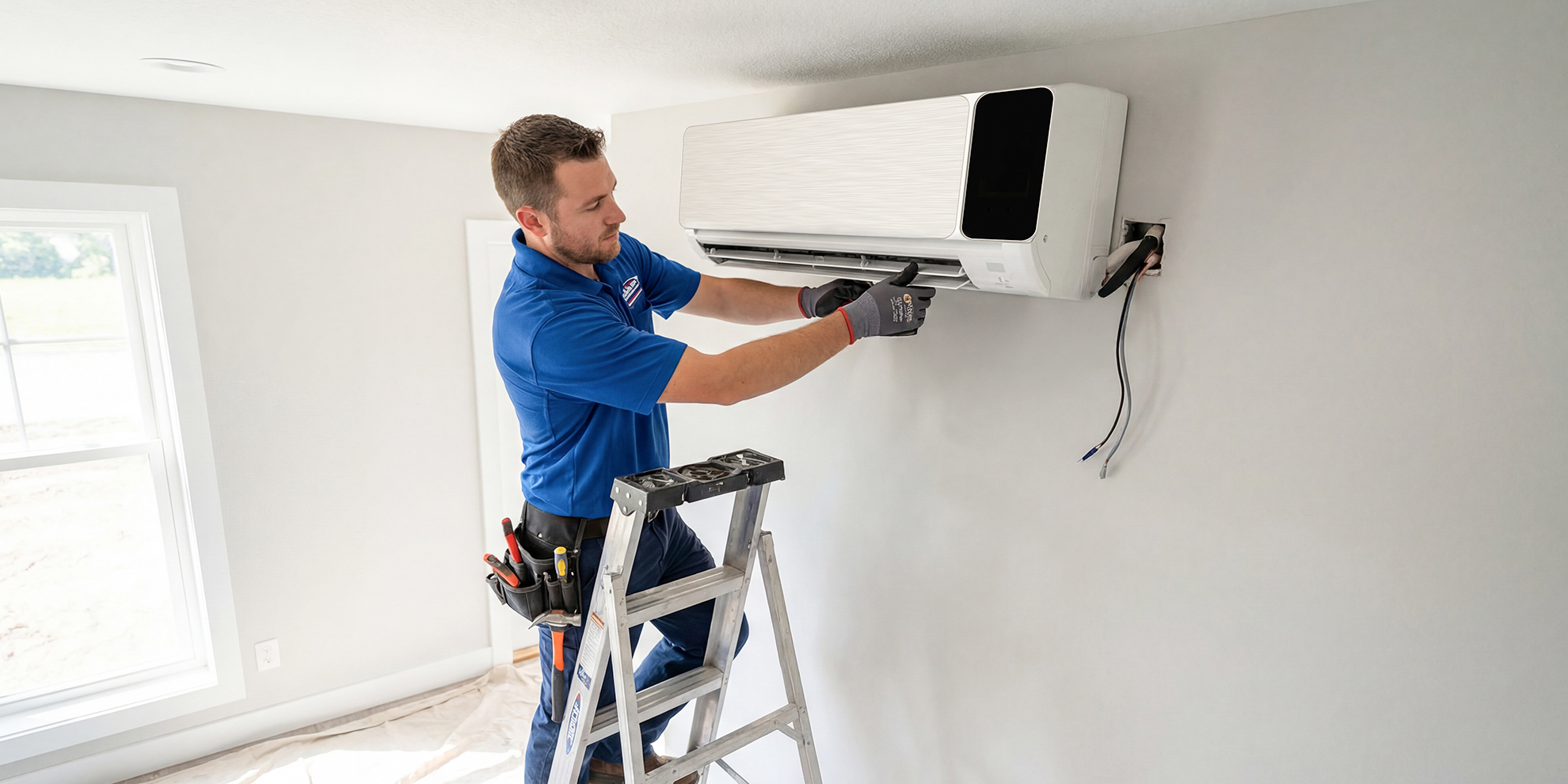
EPA-certified technician required: Only licensed pros can handle refrigerant.
Local permits: Some states or counties require permits before installation.
HOA or building rules: Some communities restrict outdoor unit placement.
Outdoor unit clearance: Good airflow and drainage are essential for performance.
Solution:
Prepare a list of questions to ask your installer before work begins:
Do I need a permit?
Is my electrical wiring sufficient?
Where is the best location for the outdoor unit?
4. Understand the Total Cost (Not Just the Unit Price)
A common misconception is that mini splits are cheap because the unit price is affordable.
In reality, total cost includes:
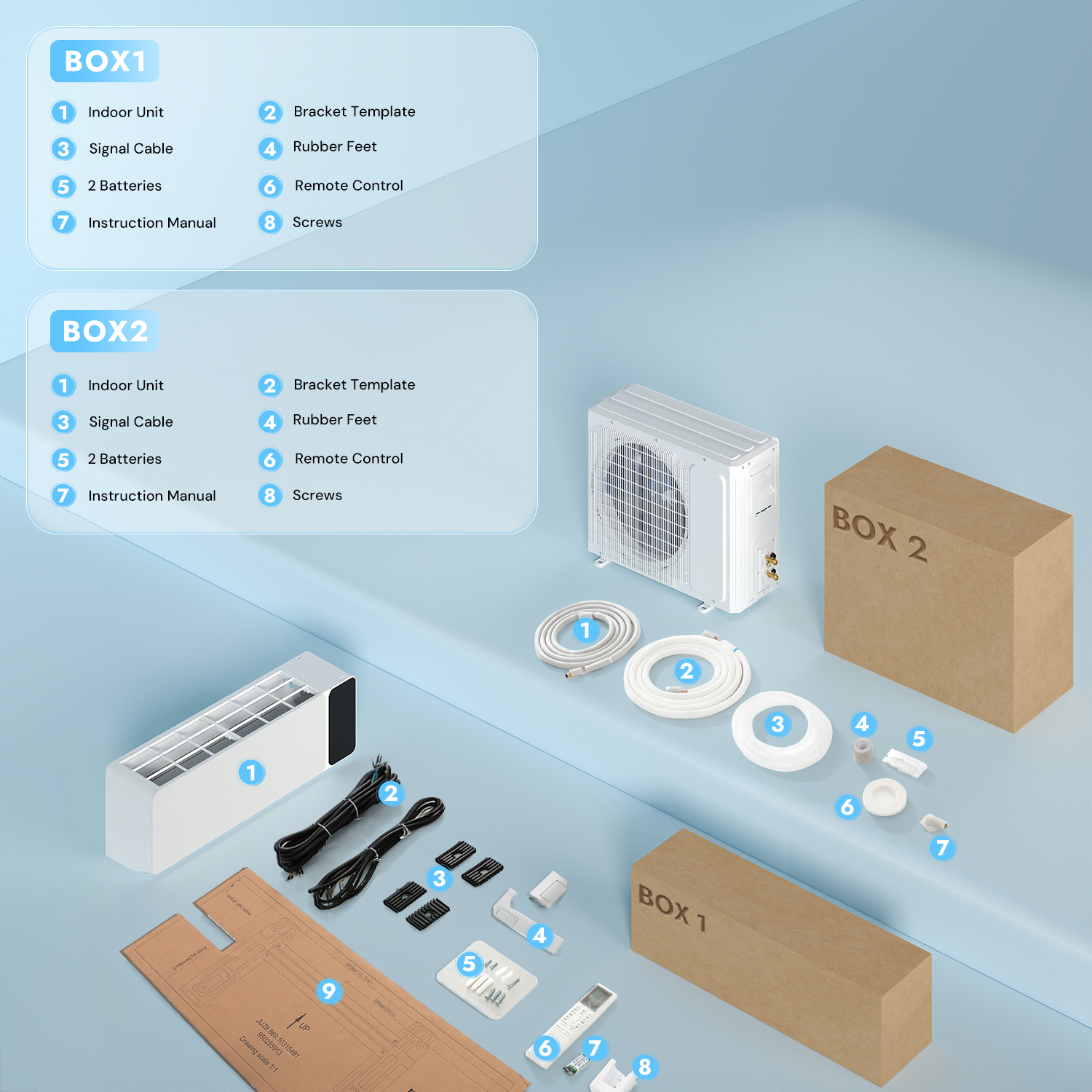
Equipment
Installation labor
Electrical upgrades (if needed)
Wall brackets or concrete pads
Possible permits
U.S. price range:
Total installation can range $2,000–$8,000+, depending on region and system size.
Solution:
Ask for a detailed cost breakdown from your contractor to avoid overpaying or hidden charges.
5. Plan for Regular Maintenance to Extend Lifespan
Mini splits last 15–20 years—but only with proper care.
Clean filters every 30 days
Clean coils at least once a year
Watch for early warning signs: reduced airflow, strange noises, weak cooling
Solution:
Create a simple maintenance schedule or book an annual tune-up service to keep your system efficient and long-lasting.
Conclusion
Installing a mini split is one of the smartest upgrades for American homes—energy-efficient, quiet, and extremely flexible.
By understanding these five key points before installation, you’ll save money, avoid problems, and enjoy maximum comfort for years to come.