Introduction
In recent years, mini split air conditioners have become a popular choice for American households due to their efficiency, flexibility, and ease of installation. At the same time, smart home technology has been rapidly evolving, offering homeowners more control, convenience, and energy savings. Combining AI-driven temperature control with mini splits is emerging as the next big trend in home comfort.
This article explores how AI integration and smart home connectivity are shaping the future of mini split air conditioners and what American homeowners should know.
1. Why Smart Home Integration Matters
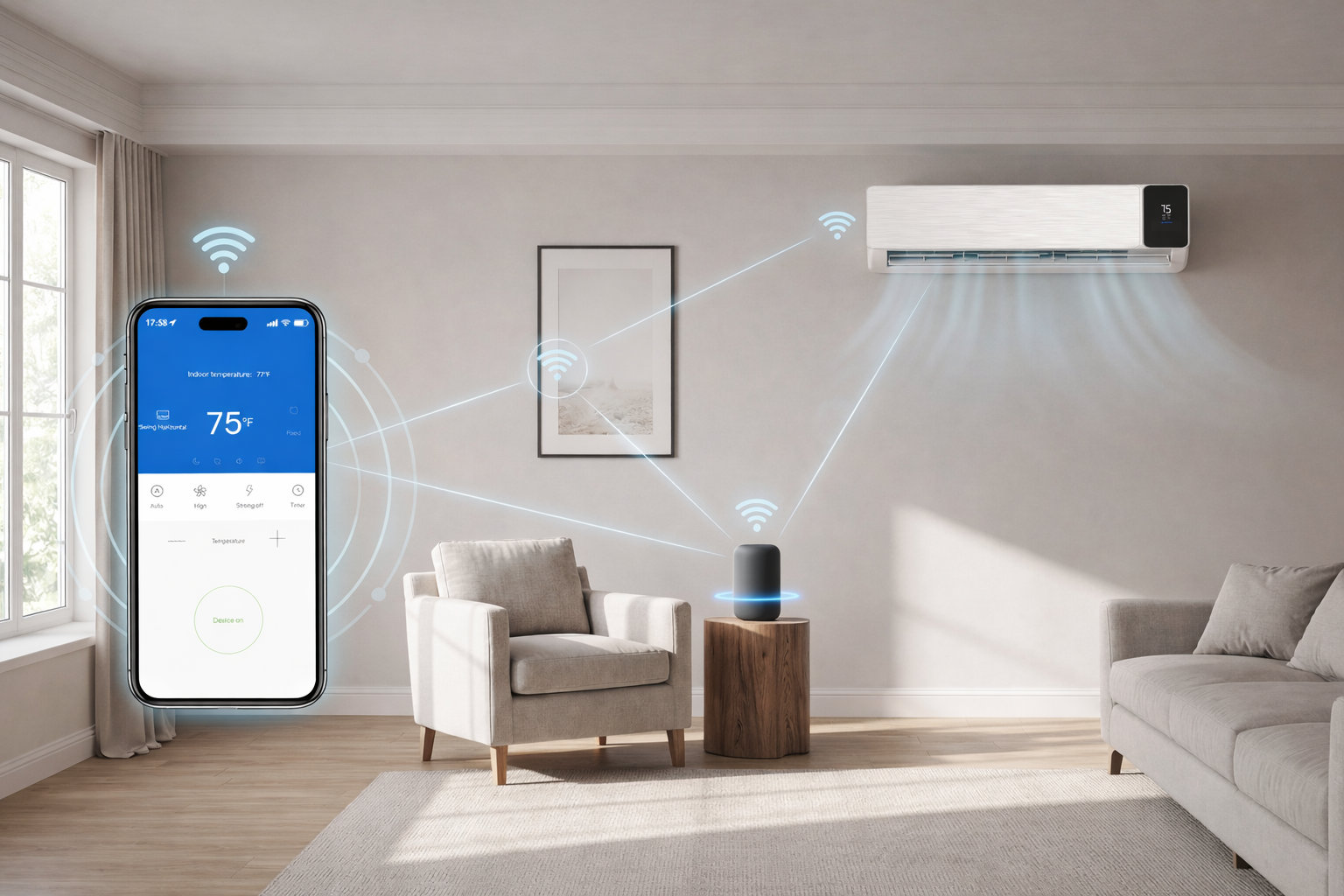
Smart home integration allows mini split systems to go beyond simple cooling and heating. By connecting to apps, voice assistants, and other smart devices, homeowners can enjoy:
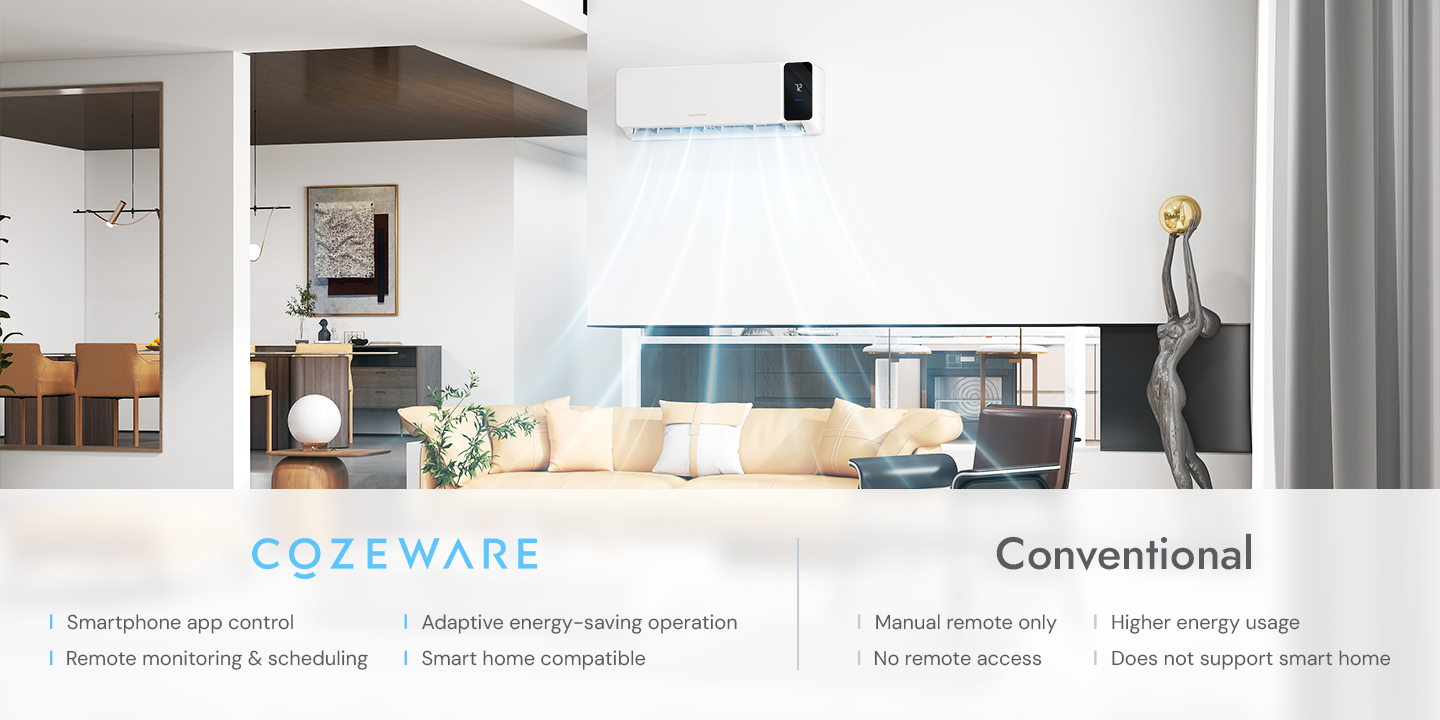
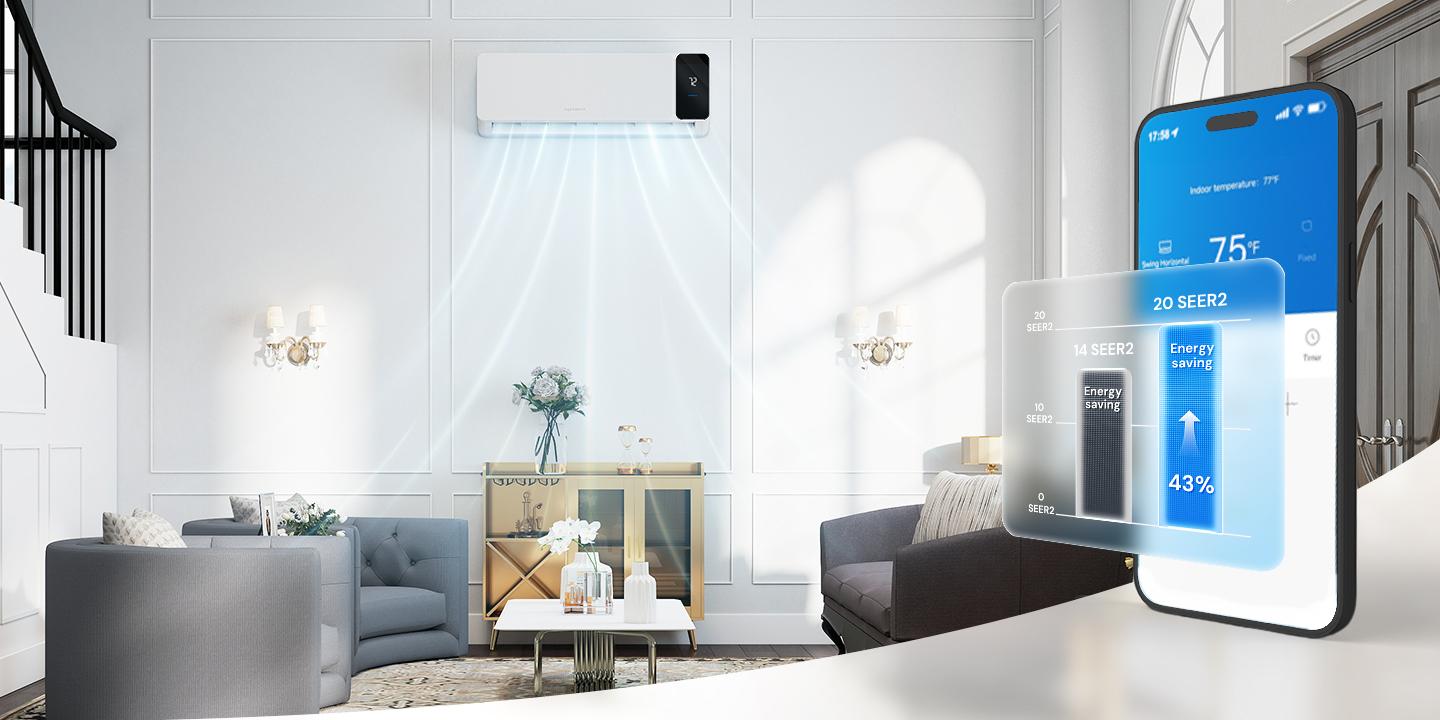
Energy efficiency and cost savings: Smart systems can adjust temperatures based on occupancy and usage patterns, reducing electricity bills.
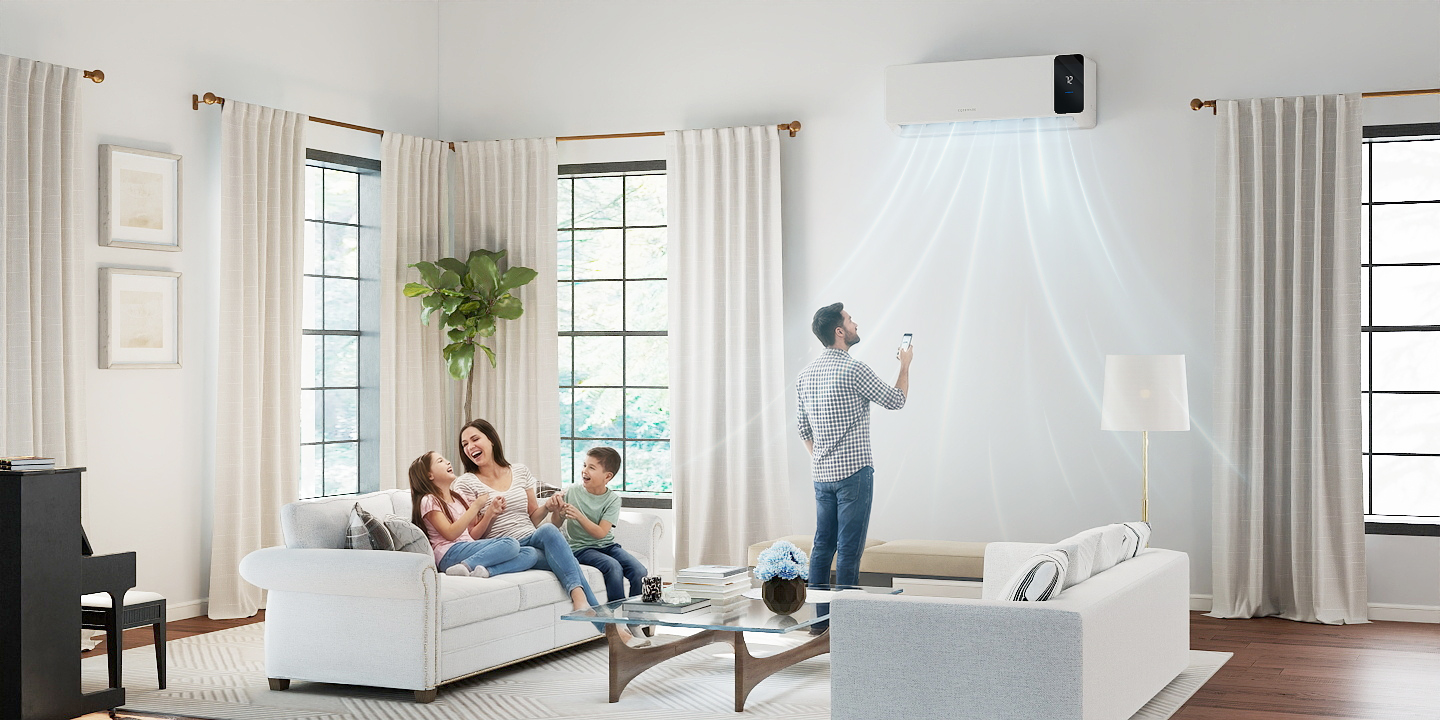
Convenience and comfort: Control your mini split from anywhere using your smartphone or voice commands.
Enhanced user experience: Personalized schedules, predictive climate adjustments, and improved air quality make daily life more comfortable.
2. How AI Temperature Control Works
AI temperature control uses advanced algorithms to predict your home’s climate needs.
Key components include:
Sensors and data collection: Motion sensors, temperature, humidity, and usage patterns are continuously monitored.
Predictive algorithms: AI analyzes data to anticipate when and where cooling or heating is needed.
Real-time adjustments: The system automatically adjusts airflow, fan speed, and temperature for optimal comfort and efficiency.
3. Benefits for American Homeowners
Integrating AI with mini splits offers tangible benefits for U.S. households:
Lower energy bills: Smart AI adjusts usage to reduce costs during high-demand seasons like summer and winter
Remote monitoring and control: Adjust your home temperature from anywhere using apps or voice assistants.
Smart home ecosystem compatibility: Works seamlessly with Alexa, Google Home, or Apple HomeKit.
Health and comfort benefits: AI can help maintain consistent temperature, optimal humidity, and better air quality.
4. Future Trends in Mini Split Technology
AI and smart home integration is paving the way for exciting innovations:
Predictive maintenance: The system alerts homeowners before issues arise, reducing downtime.
Autonomous climate control: Future systems may operate independently, adjusting conditions without user input.
Renewable energy integration: AI could optimize energy usage with solar or other green energy sources.
Voice and gesture control: Increased adoption of intuitive control methods enhances user experience.
5. Challenges and Considerations
While promising, AI-enabled mini splits come with challenges:
Privacy and data security: Smart systems collect personal data that must be protected.
Installation costs: Smart AI systems may have higher upfront costs compared to traditional units.
Learning curve: Homeowners unfamiliar with smart tech may require time to adapt.
6. Practical Tips for Homeowners
Choose mini splits compatible with popular smart home ecosystems.
Use apps to set schedules and monitor energy usage.
Combine AI temperature control with energy-saving habits (e.g., closing blinds, using ceiling fans).
7. Conclusion
AI temperature control and smart home integration are transforming the way Americans experience home comfort. Mini split air conditioners equipped with these technologies offer convenience, energy savings, and a healthier living environment. As the technology continues to evolve, homeowners can expect even more intelligent, efficient, and user-friendly systems in the near future.