
Do mini splits need a dedicated circuit? This is one of the most important questions to answer before installing any air conditioning system. Understanding mini split electrical requirements ensures safe operation, optimal performance, and long-term durability. Whether you’re installing a 12,000 BTU, 18,000 BTU, or 24,000 BTU unit, having the correct electrical setup is essential.
From mini split voltage requirements to choosing the right breaker size, every detail matters. In this guide, we’ll explain everything you need to know, including 110V vs 230V mini split systems and whether sharing an outlet is safe.
Understanding Mini Split Electrical Requirements
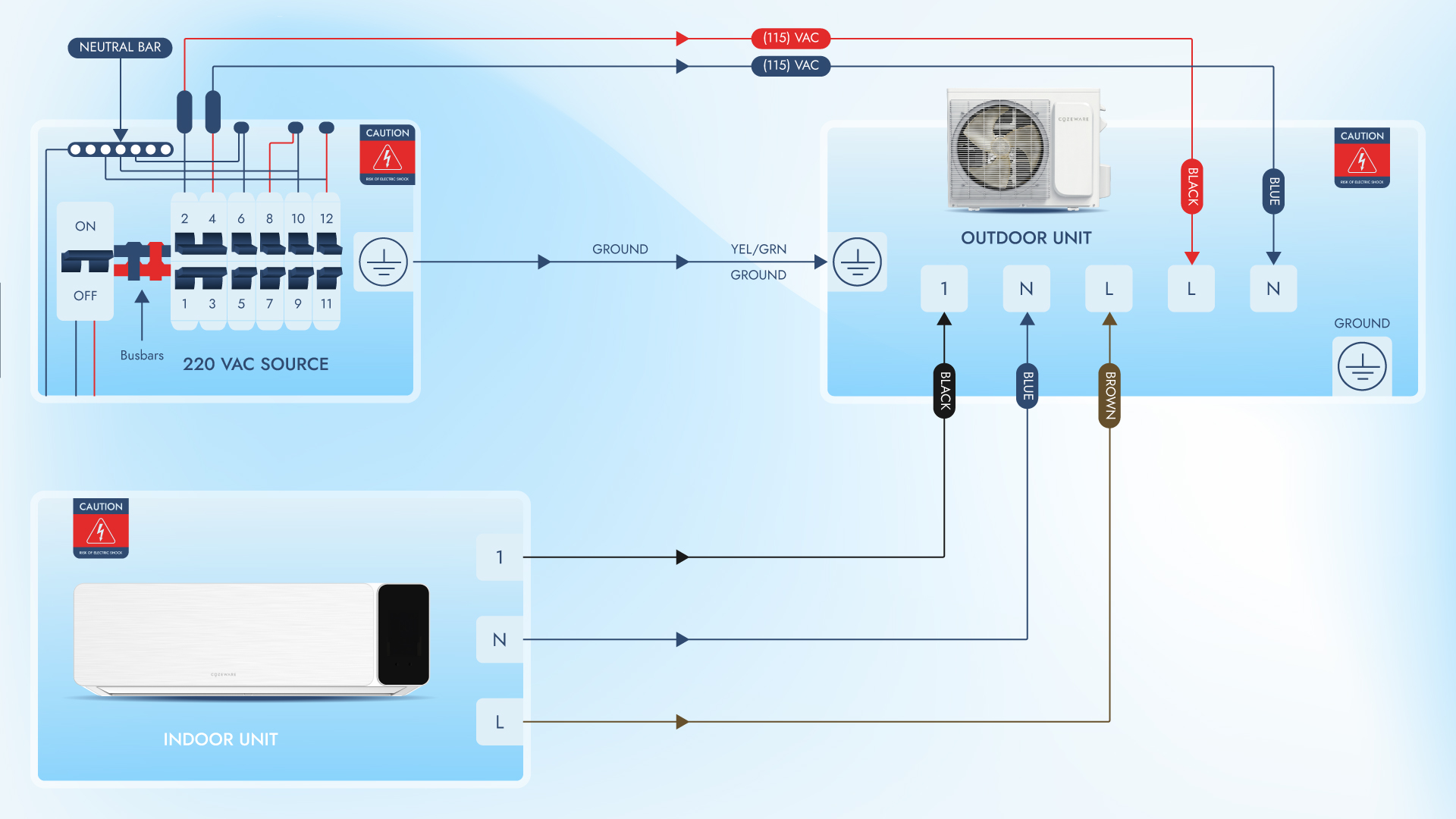
Mini split systems require stable and consistent power, making proper planning essential. Unlike standard appliances, these systems have specific mini split electrical requirements that must be followed.
Key Electrical Needs
Dedicated circuit connection
Correct voltage (115V or 230V)
Proper wire size (gauge)
Suitable breaker size
Optional surge protection
Failing to meet these requirements can lead to inefficiency, frequent shutdowns, or even permanent system damage.
Do Mini Splits Need a Dedicated Circuit?
Yes, do mini splits need a dedicated circuit? Absolutely. A dedicated circuit is required for nearly all mini split systems to ensure safe and stable operation.
Why a Dedicated Circuit Is Required
Prevents electrical overload
Ensures consistent power supply
Protects internal components
Meets electrical safety codes
Using a shared outlet or circuit can cause voltage drops, overheating, and potential failure of the system. In other words, a dedicated line is not optional, it’s a necessity.
115V vs 230V Mini Split
When comparing a 110V vs 230V mini split, the key differences involve power capacity, efficiency, and application.
115V Mini Split
Easier installation
Compatible with standard outlets
Best for small rooms or limited spaces
230V Mini Split
Higher cooling capacity
More efficient for larger areas
Required for higher BTU systems
In most cases, 230V systems are better suited for whole-room or multi-room cooling, while 115V options work well for compact environments.
Mini Split Breaker Size
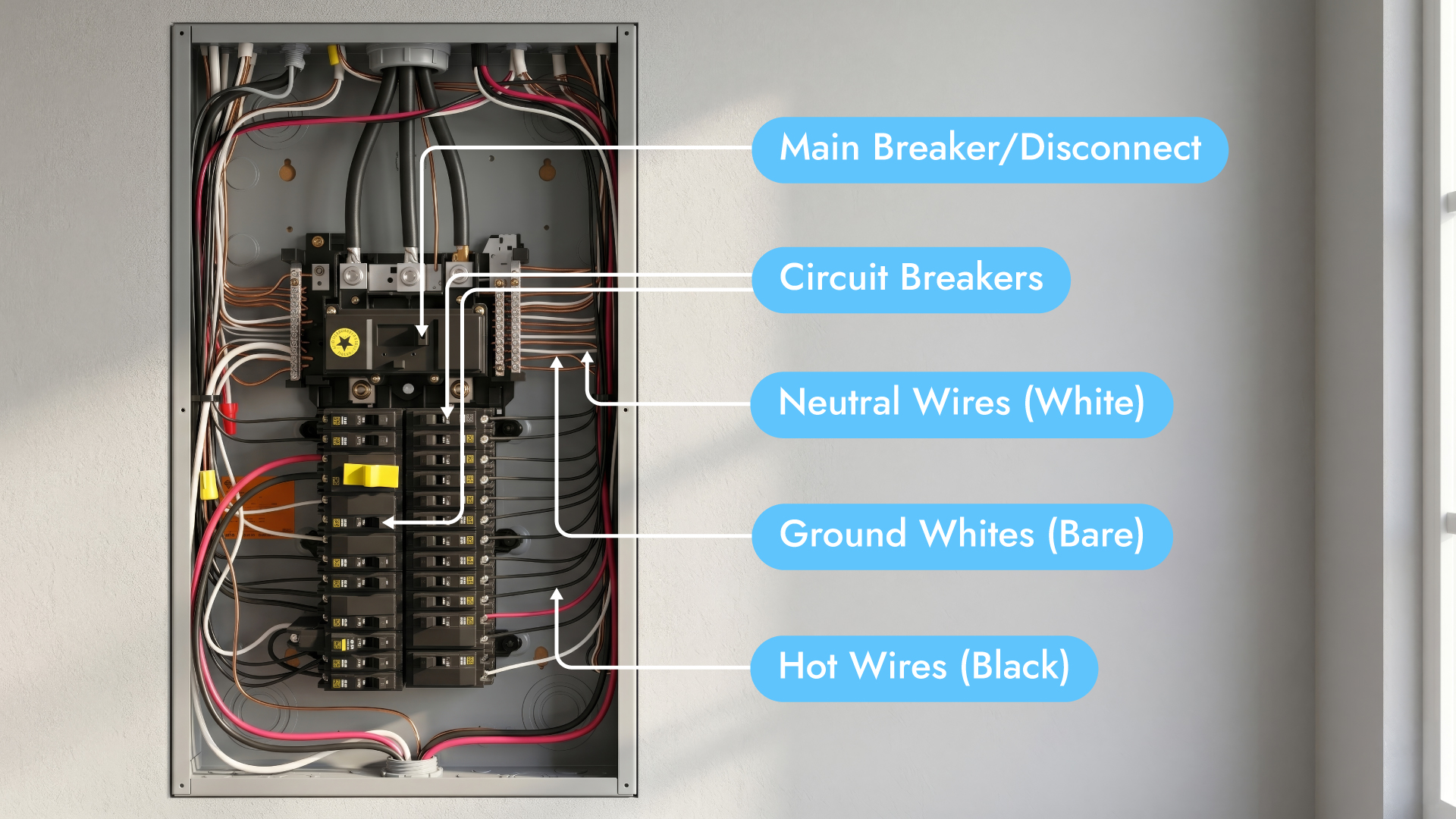
Choosing the correct mini split breaker size is essential for both safety and performance.
 Typical Breaker Sizes
12,000 BTU → 15–20 amps
18,000 BTU → 20–30 amps
24,000 BTU → 25–35 amps
Why Breaker Size Matters
Prevents circuit overload
Reduces risk of system damage
Maintains stable operatio
Incorrect breaker sizing can lead to frequent tripping or long-term electrical issues.
Can Mini Split Share Outlet?
Another common question is: can mini split share outlet? The answer is no.
Mini splits should never share an outlet because doing so violates basic mini split electrical requirements and increases safety risks.
Risks of Sharing an Outlet
Power instability
Overheating risks
Reduced system lifespan
Potential code violations
A dedicated circuit ensures your system operates efficiently without interference from other appliances.
Wire Size and Safety Considerations
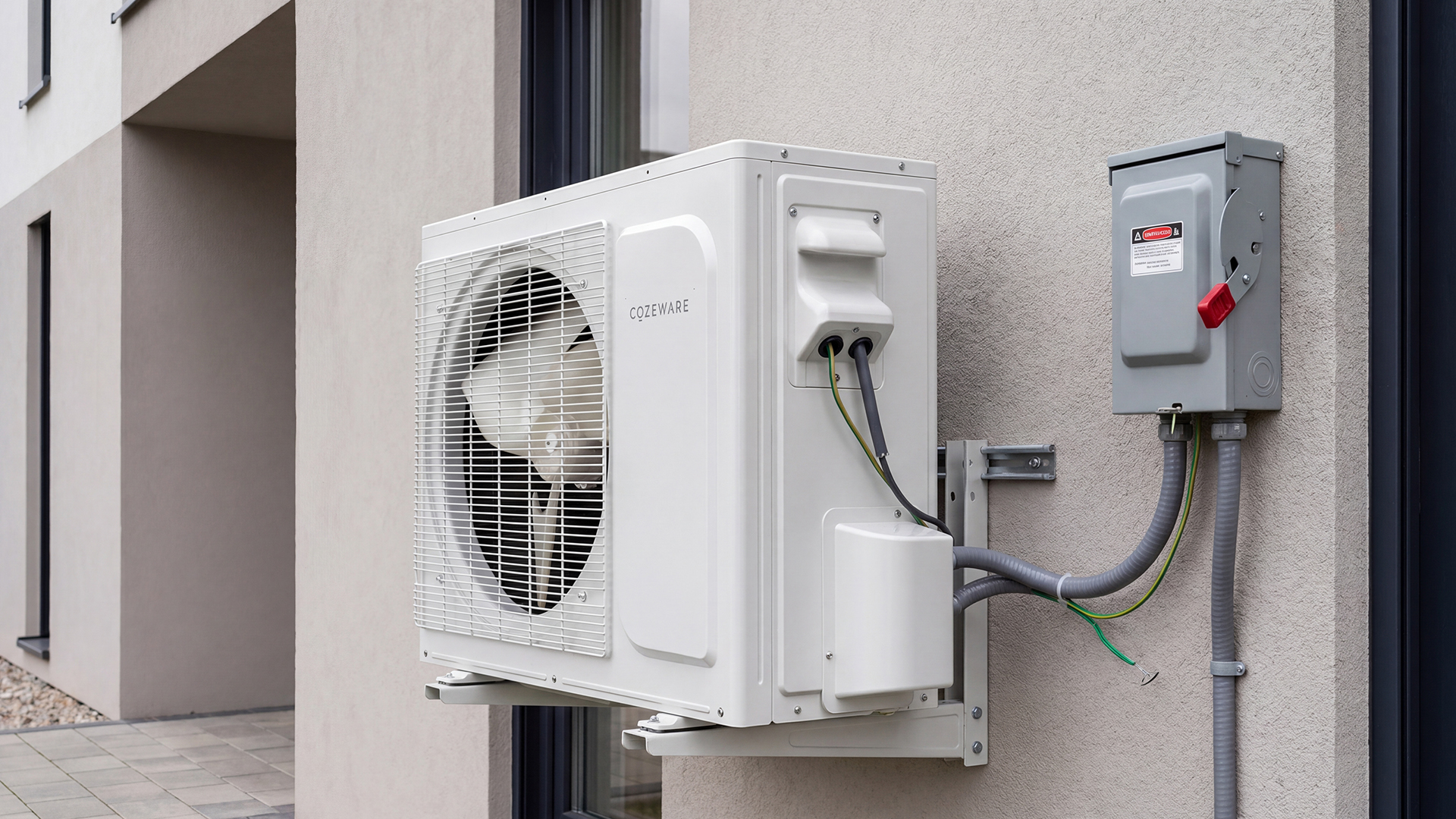
Proper wiring plays a critical role in meeting mini split voltage requirements and ensuring safe operation.
Choosing the Right Wire
Undersized wires → overheating and fire hazards
Oversized wires → safe but more expensive
Correct wire sizing helps deliver stable power while protecting both your home and your AC system.
Surge Protection for Mini Splits
Although not mandatory, surge protection is highly recommended for modern AC systems.
Benefits of Surge Protection
Protects against voltage spikes
Extends system lifespan
Prevents costly repairs
Power surges caused by lightning or grid fluctuations can damage internal components, making surge protection a valuable investment.
Best Practices for Installation
To meet all mini split electrical requirements and ensure optimal performance, follow these best practices:
Always use a dedicated circuit
Match the correct voltage requirements
Install the proper breaker size
Use the correct wire gauge
Add surge protection if possible
Hire a licensed electrician
Conclusion
So, do mini splits need a dedicated circuit? Yes and it’s one of the most critical requirements for safe and efficient operation. From understanding mini split voltage requirements to choosing between 110V vs 230V mini split systems, every detail contributes to performance and longevity.
By following proper installation standards, including correct mini split breaker size and dedicated wiring, you can ensure your system runs safely and efficiently for years to come.