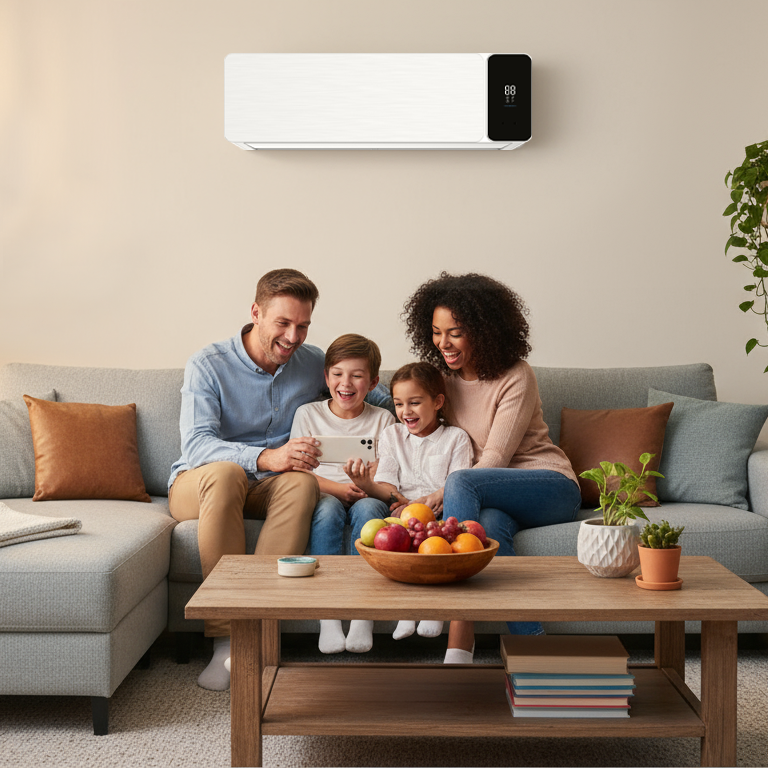
Introduction: The Cooling Question Every Homeowner Faces
If you've recently moved into a new home — or you're planning a renovation — one question probably tops your list:
Should I install a traditional central air system or go with a ductless mini-split?
For decades, central air was considered the gold standard in the U.S. But times are changing. Rising energy costs, aging ductwork, and growing interest in sustainable living are making mini-split systems the go-to choice for many modern American households.
Let's explore why.
What's the Real Difference?
In short: mini-splits give you precise control and better efficiency, while central systems offer a more traditional, "one-size-fits-all" approach.
Why Ductless Mini-Splits Fit Today's American Homes
1. Energy Efficiency That Pays Off
According to the U.S. Department of Energy, duct losses can account for up to 30% of energy consumption in central air systems. Mini-splits eliminate that problem entirely — and with inverter technology, they only use the energy they need.
2. Flexible for Every Type of Home
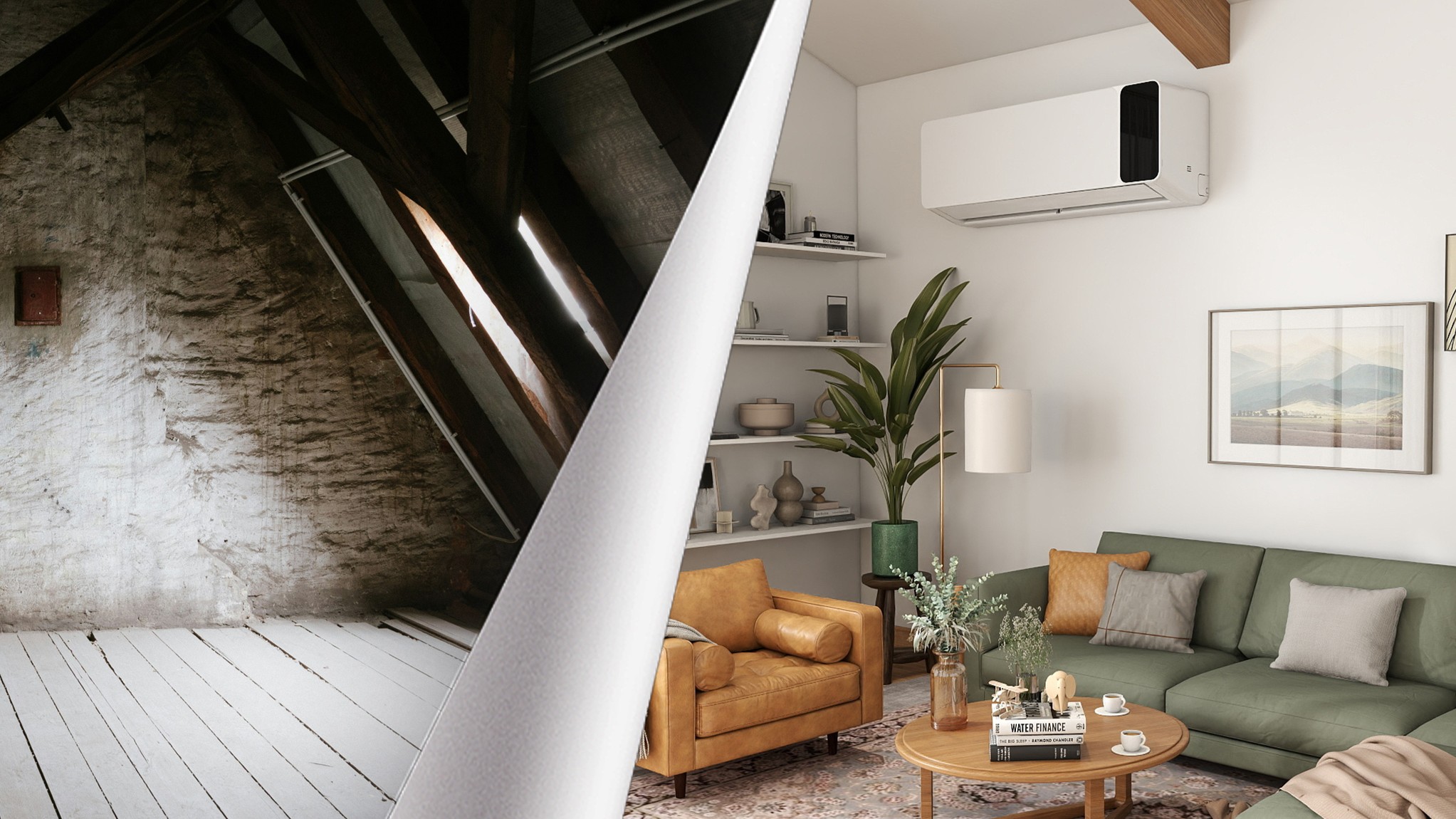
Older homes in the U.S. often don't have existing ductwork, and retrofitting ducts can be expensive and messy. Mini-splits, on the other hand, require only a small hole in the wall for installation — perfect for:
Condos and apartments
Renovated basements or garages
Additions and extensions
3. Zoned Comfort = No More Thermostat Wars
With a central system, one thermostat controls everything — meaning one room is freezing while another is warm. Mini-splits solve this with independent temperature control in each zone or room.
Families can finally stop fighting over the thermostat!
4. Cleaner Air and Easier Maintenance
Traditional HVAC ducts are notorious for collecting dust, pollen, and mold over time. Ductless systems offer multi-stage filtration and easy-to-clean filters, giving you fresher indoor air with less hassle.
Pro tip: Clean your filters every few weeks for maximum efficiency and air quality.
5. Modern Design That Blends In
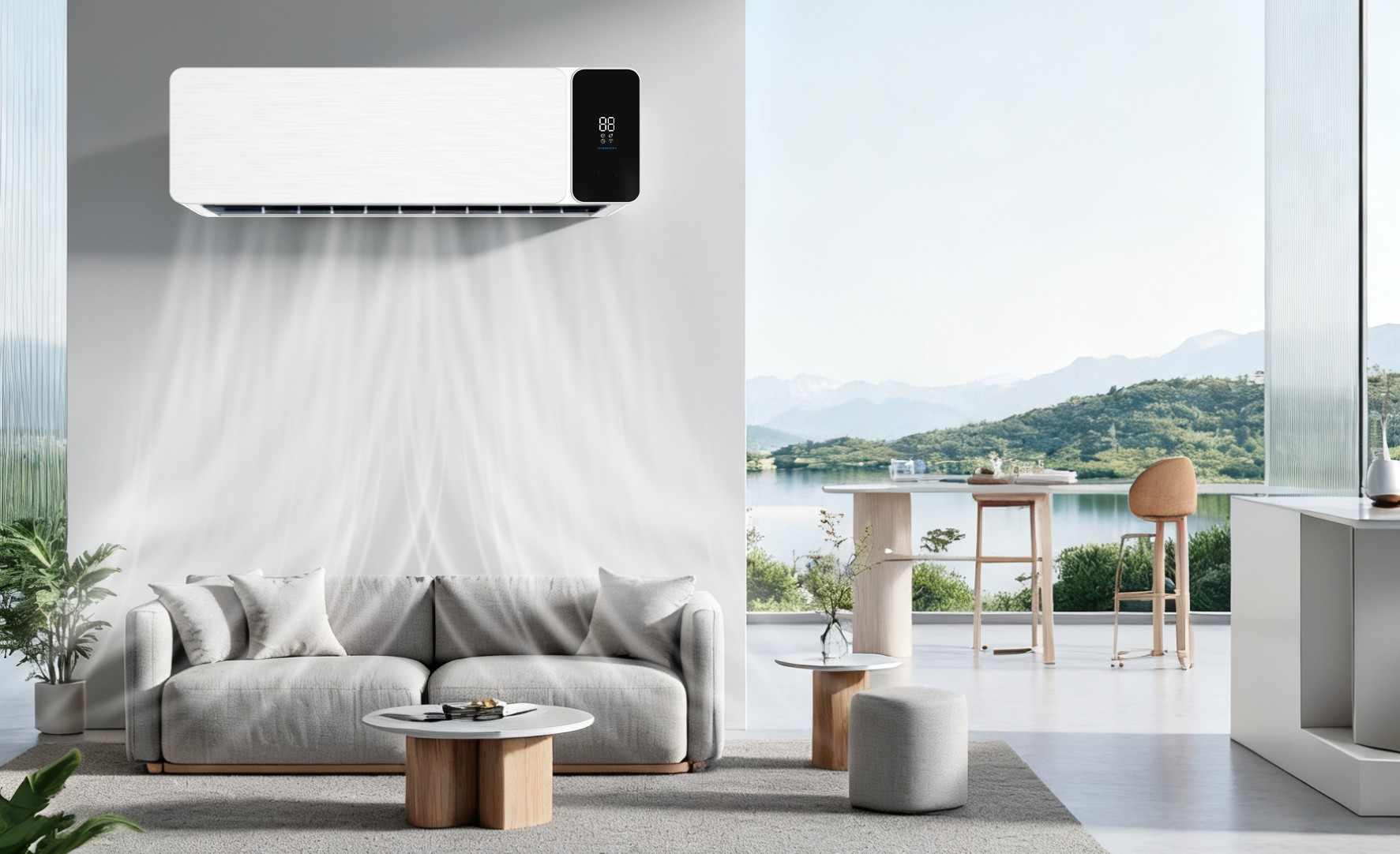
Today's mini-splits aren't the clunky wall units of the past. Manufacturers like Mitsubishi, Daikin, and LG have sleek, minimalist designs that complement modern interiors — with options like wall-mounted, floor-mounted, or ceiling cassette styles.
Cost Breakdown: What to Expect
While central systems may seem like a better deal for big houses, the efficiency and long-term savings of mini-splitsoften balance the scales — especially with federal rebates available for energy-efficient upgrades.
The Big Picture: Efficiency Meets Modern Living
In a time when Americans are increasingly focused on sustainability and energy savings, ductless mini-splits check every box:
✅ Energy-efficient
✅ Flexible installation
✅ Individual comfort control
✅ Cleaner air
✅ Sleek modern design
It's no wonder they're becoming a staple in new builds, apartment conversions, and green homes across the U.S.
Final Thoughts: Why You'll Love Going Ductless
If you value comfort, savings, and smart design, a ductless mini-split is more than an AC — it's a lifestyle upgrade.
They cool (and heat) efficiently, adapt to any home, and make your living space more comfortable than ever.
Call to Action: "Thinking of upgrading your cooling system? Get a free home assessment from a certified HVAC professional — and see how much you could save by going ductless."