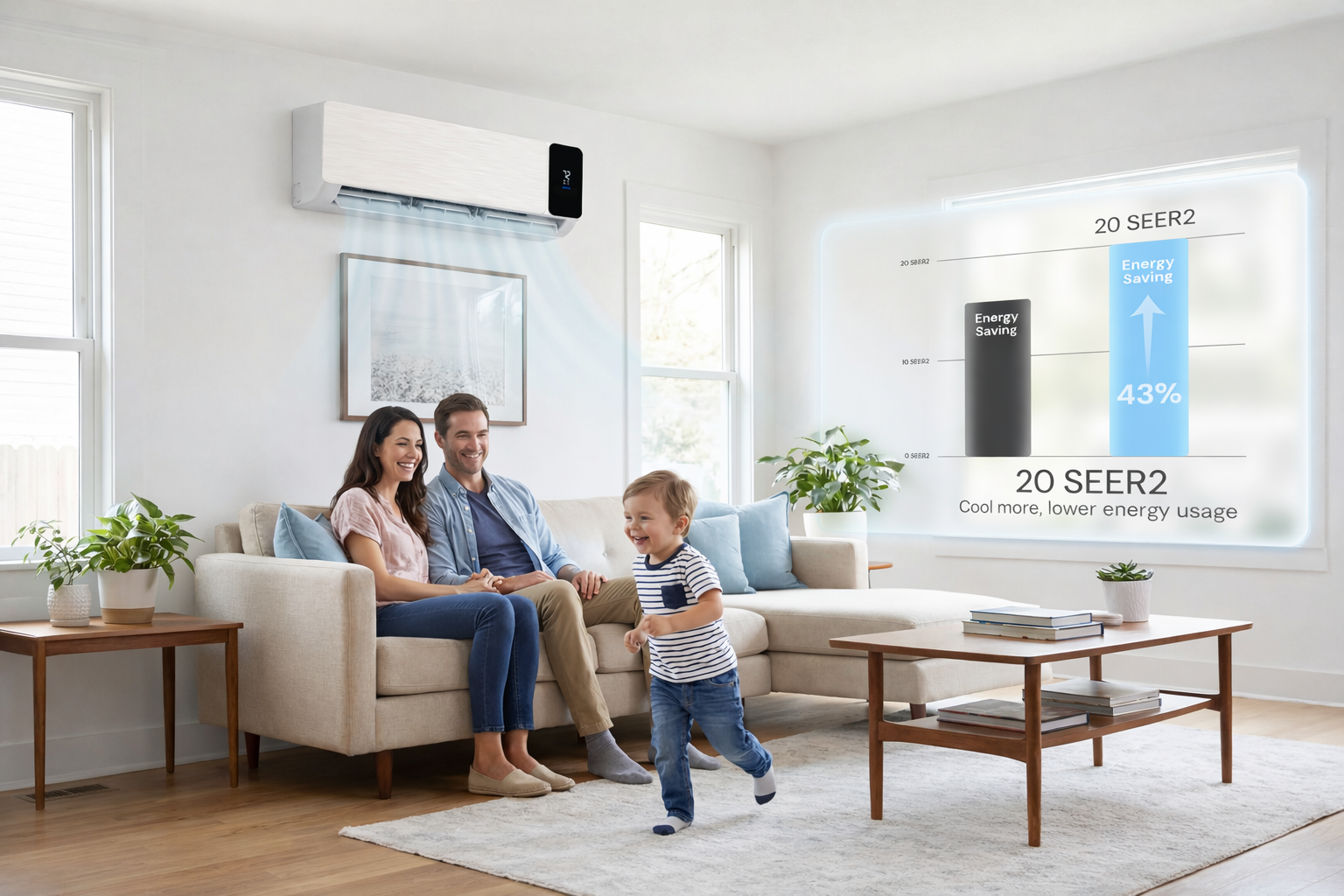
1.Introduction: Why Mini Split Energy Efficiency Matters
Energy efficiency isn’t just a buzzword—it directly affects how much you pay on your electric bill. In many U.S. states, electricity prices continue to rise, especially during summer and winter peaks. Your mini split system runs more hours during extreme weather, which means even small improvements in efficiency can save a significant amount over time.
This guide covers practical, everyday strategies to help you keep your home comfortable while reducing unnecessary energy use.
2.Set the Right Temperature
Setting the ideal temperature is one of the easiest and most effective ways to reduce power consumption.
Cooling: The U.S. Department of Energy recommends setting your AC to 76–78°F when you’re at home.
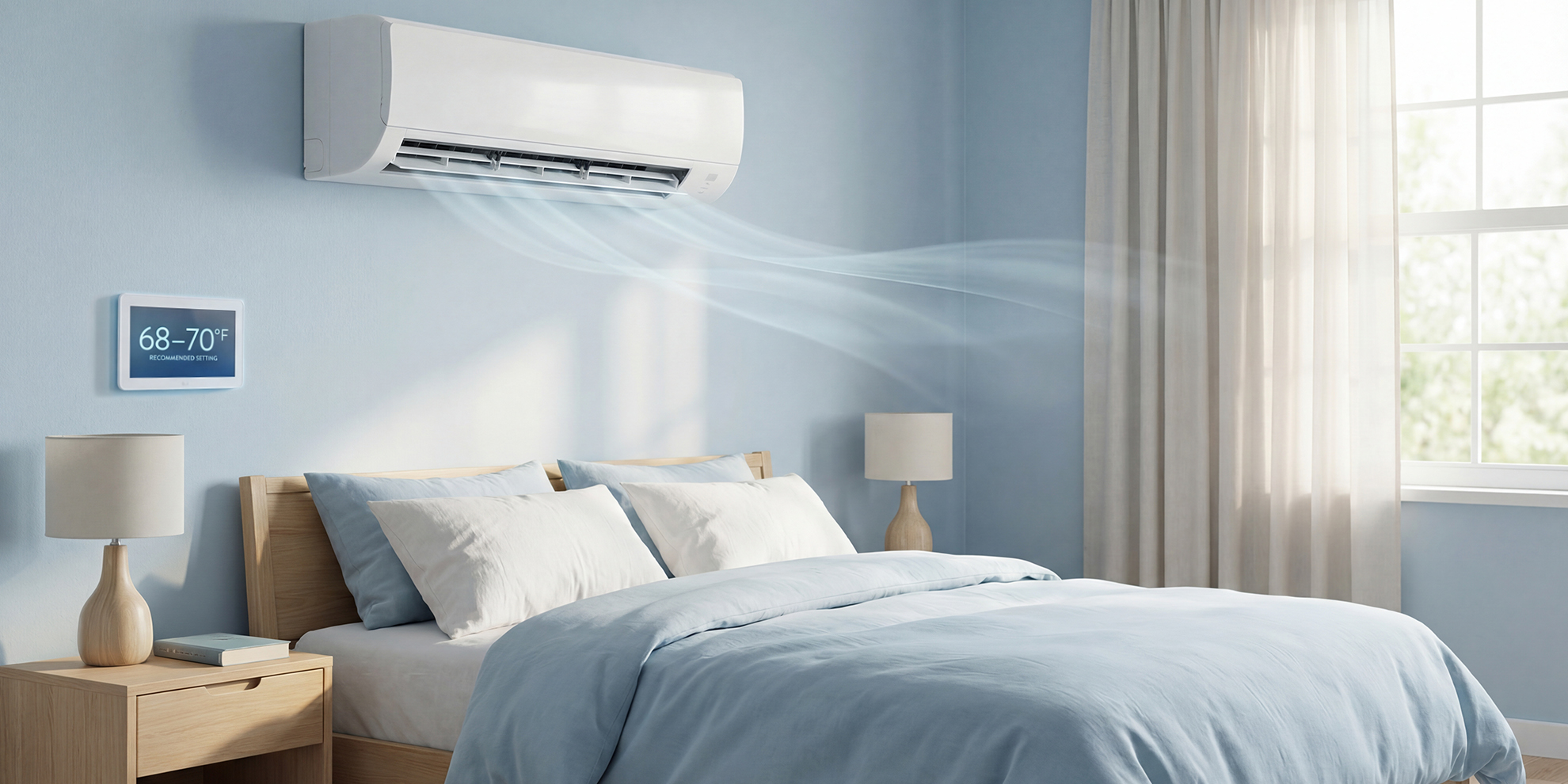
Heating: For winter, set your mini split to 68–70°F.
Remember: Setting the temperature extremely low won’t cool your room faster— it only forces the system to work harder, consuming more electricity.
3.Use Eco Mode and Sleep Mode
Modern mini splits come with built-in energy-saving features:
Eco Mode reduces compressor load and helps maintain stable temperatures with lower energy use.
Sleep Mode automatically adjusts the temperature throughout the night to balance comfort and efficiency. This is especially useful for people sensitive to nighttime temperature changes.
Use these modes regularly to reduce unnecessary energy consumption.
4.Improve Home Insulation
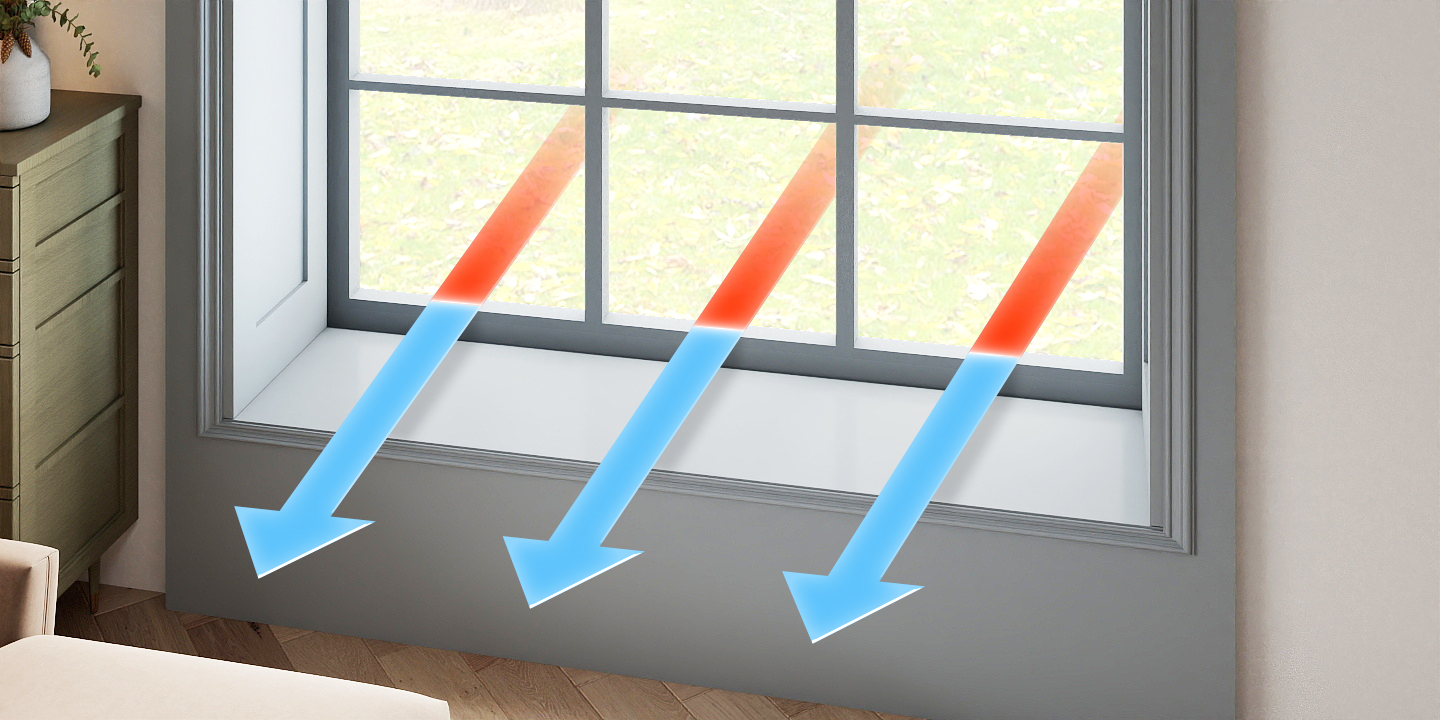
A well-insulated home keeps conditioned air inside and outdoor heat or cold outside—reducing how hard your mini split needs to work.
Tips:
Seal gaps around windows and doors with weatherstripping.
Add thermal or blackout curtains to reduce heat gain.
In colder states, reinforce attic or wall insulation to retain warmth.
Good insulation can reduce total heating and cooling costs by up to 15%.
5.Keep Your Mini Split Clean
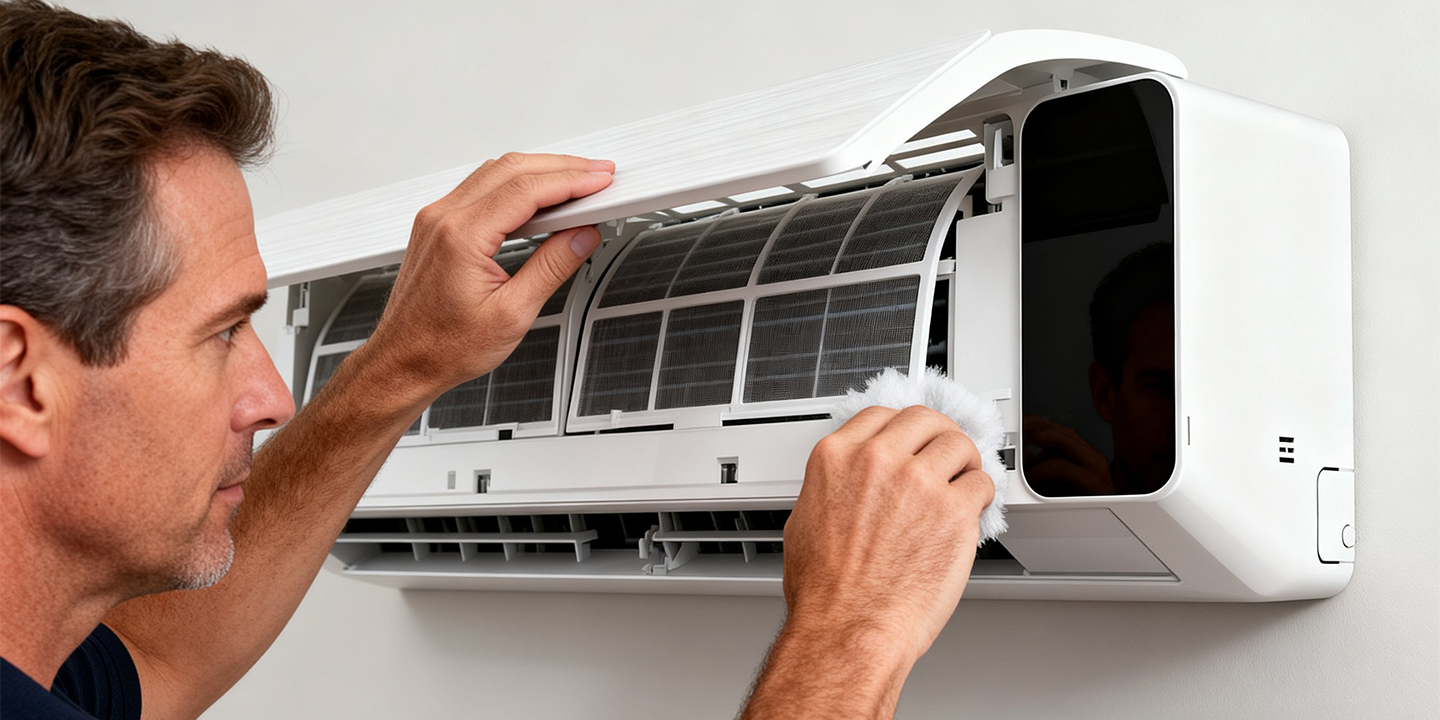
A clean system is an efficient system.
Filter cleaning: Dirty filters block airflow and increase energy use. Clean filters every 2–4 weeks, depending on dust levels.
Coil maintenance: Evaporator and condenser coils should be cleaned every 6–12 months.
Outdoor unit care: Make sure the outdoor condenser is free of leaves, snow, or debris.
Regular cleaning can prevent a 10–20% loss in efficiency.
6.Optimize Airflow
Even the best mini split will struggle if airflow is blocked.
Keep furniture away from indoor units.
Avoid placing shelves, curtains, or tall plants in front of the unit.
Adjust airflow direction:
Cooling: angle airflow upward.
Heating: angle airflow downward.
This helps circulate air evenly and reduces wasted energy.
7.Use a Programmable or Smart Thermostat (If Compatible)
A smart thermostat—or the mini split’s smartphone app—can automate temperature adjustments.
Benefits:
Reduce cooling/heating when you’re at work or away.
Prevent the system from running unnecessarily.
Control temperatures remotely for better energy management.
Smart scheduling alone can reduce energy use by up to 10% annually.
8.Leverage Zone Cooling & Heating
One of the biggest advantages of mini splits over central AC is zoning.
Cool or heat only the rooms being used.
Avoid running the entire system for unused bedrooms, basements, or guest rooms.
Families can set different temperatures in each zone for comfort and efficiency.
Zoning can save you hundreds of dollars per year.

9.Avoid Common Energy-Wasting Habits
You might be wasting energy without realizing it:
Constantly turning the system on and off
Setting extreme temperatures
Forgetting to adjust the temperature when outdoor conditions change
Using the system with windows or doors open
Correcting these habits helps maintain optimal efficiency.
10.Upgrade to a Higher-Efficiency Model
If your mini split is over 10–12 years old, upgrading could save significant long-term costs.
Consider:
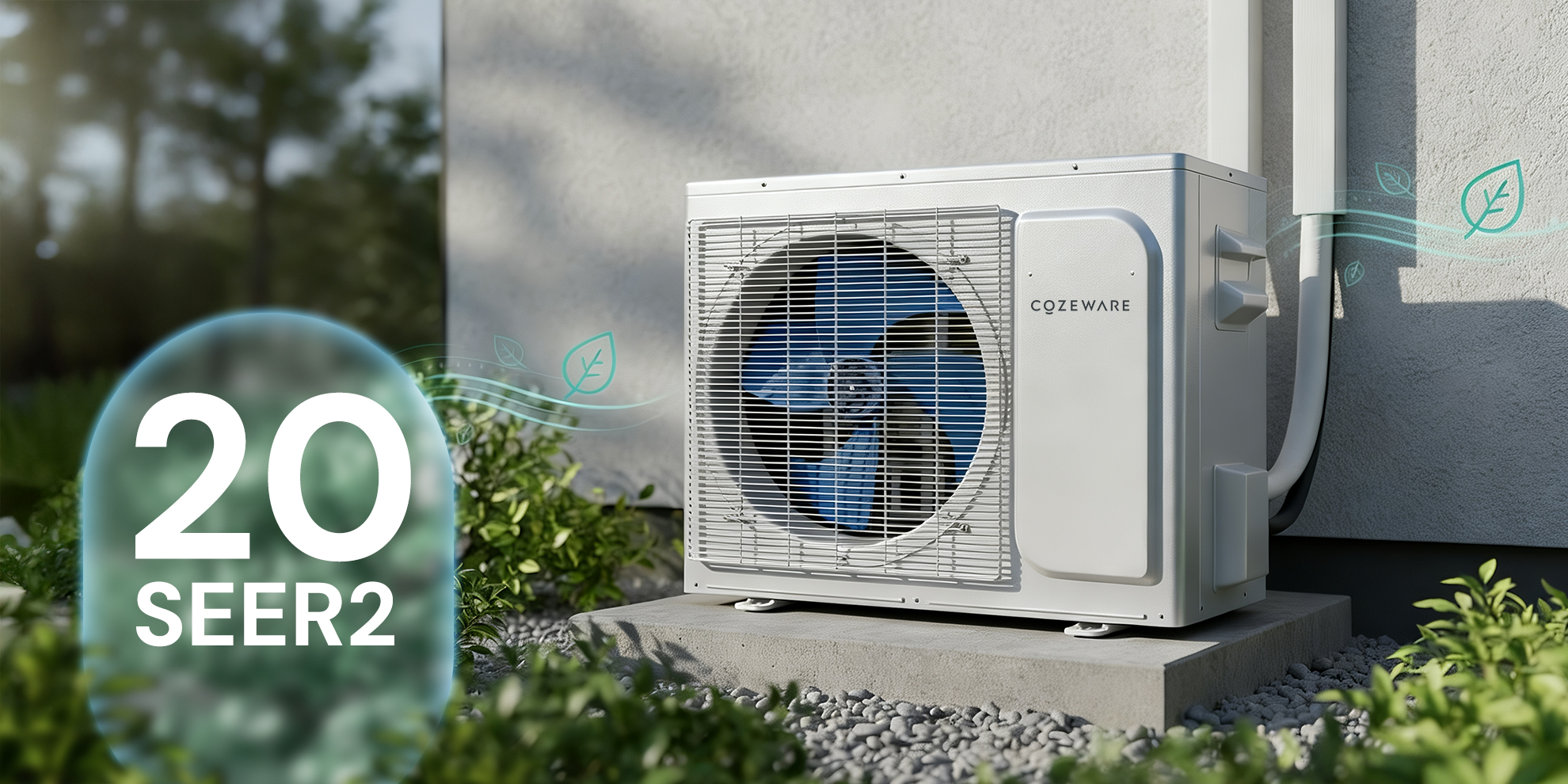
SEER2 rating: Higher SEER2 = greater cooling efficiency.
Inverter technology: Modern inverter units use up to 30–40% less energy than older models.
High-efficiency heat pumps for cold climates.
A new system may reduce utility bills enough to pay for itself over a few years.
11. Conclusion: Small Habits, Big Savings
Saving energy doesn’t require major changes. Consistency is key. Combining the tips above—proper temperature settings, good airflow, smart scheduling, and regular maintenance—can greatly improve your mini split’s efficiency while keeping your home perfectly comfortable.