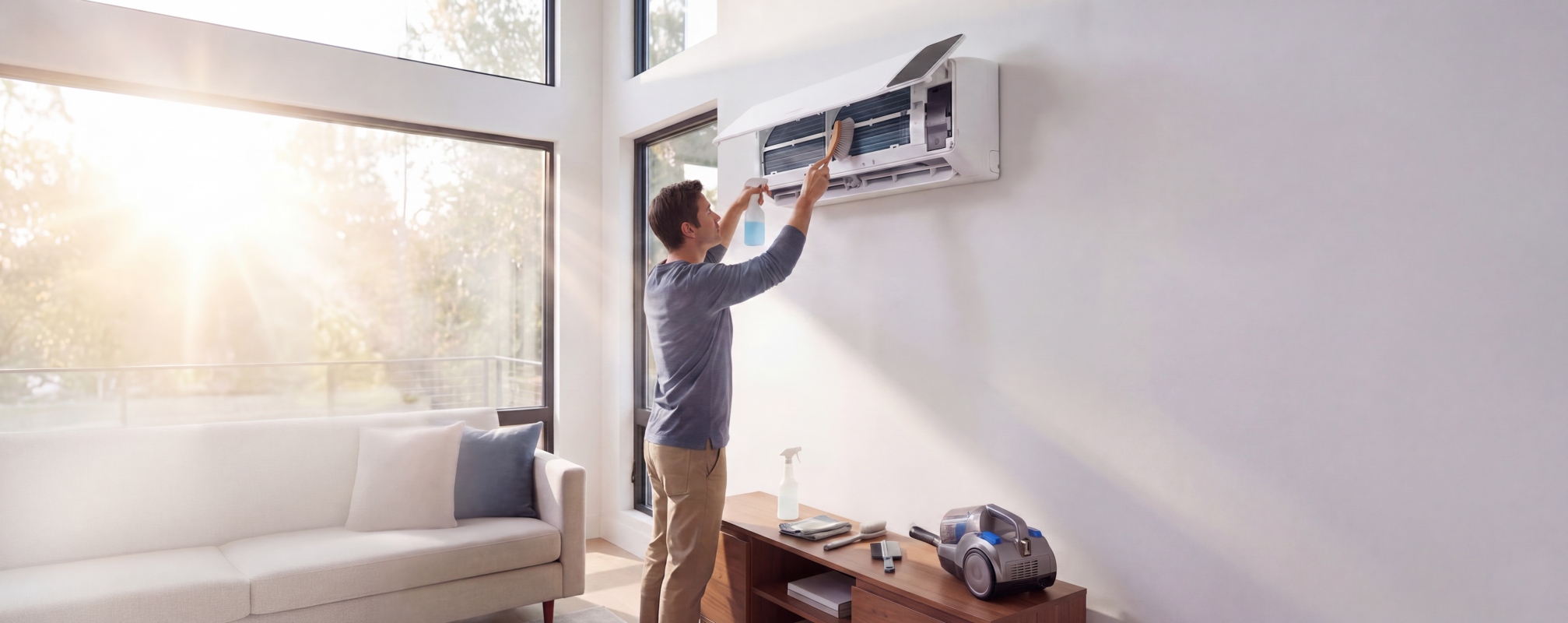
Keeping your cooling system in good condition is one of the best ways to extend AC lifespan and improve long-term performance. Many homeowners wait until their air conditioner starts having problems before paying attention to maintenance, but regular care can help avoid expensive repairs and unnecessary energy waste.
Whether you own a ductless mini split system or a traditional HVAC unit, proper upkeep helps maintain stronger airflow, cleaner indoor air, and better cooling efficiency. Online home improvement discussions and HVAC communities frequently emphasize that preventive maintenance is often far cheaper than emergency repair costs.
Simple habits like cleaning filters, checking airflow, and monitoring unusual noises can make a significant difference in the lifespan of your cooling system.
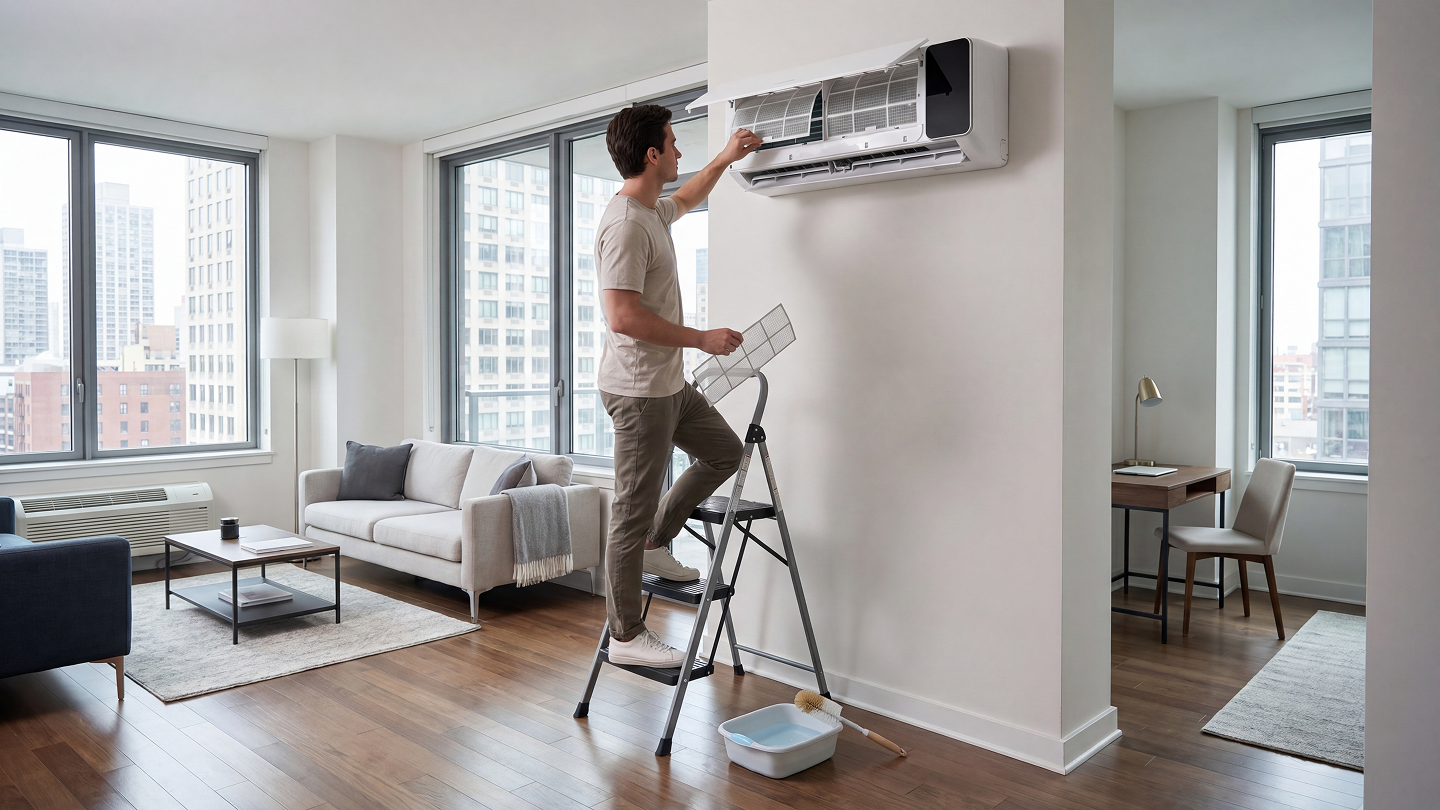
Mini Split Maintenance Checklist for Long-Term Performance
Following a regular mini split maintenance checklist is one of the most effective ways to keep your air conditioner running efficiently for years.
Unlike traditional systems, ductless mini split units require consistent airflow and clean components to operate properly. Neglecting maintenance can lead to clogged filters, reduced cooling performance, and higher electricity consumption.
Essential AC Maintenance Tasks
Here are several important maintenance steps homeowners should follow regularly:
Clean or replace air filters
Inspect indoor and outdoor units
Remove dust buildup around vents
Check refrigerant lines for damage
Monitor drainage systems
Ensure proper airflow around the outdoor condenser
Schedule professional HVAC inspections annually
Routine air conditioner maintenance not only improves cooling performance but also helps reduce wear on internal components.
Why Preventive Maintenance Matters
Many HVAC technicians explain that small maintenance issues often become larger system failures when ignored. Dirty filters and blocked airflow force the system to work harder, increasing stress on compressors and fans.
Preventive AC servicing helps identify problems early before they become expensive repairs. In many cases, homeowners can avoid premature system replacement simply by maintaining regular upkeep schedules.
Another benefit of consistent maintenance is improved indoor air quality. Dust accumulation inside HVAC systems can circulate allergens and reduce air cleanliness throughout the home.
How Often to Clean Filters for Maximum Efficiency
One of the most common homeowner questions is how often to clean filters in a mini split or HVAC system.
Most HVAC professionals recommend cleaning air filters every 2 to 4 weeks during heavy usage periods, especially in summer months. However, homes with pets, high dust levels, or frequent AC use may require more frequent cleaning.
Signs Your Air Filter Needs Cleaning
Some common indicators include:
Weak airflow from the indoor unit
Increased electricity bills
Dust buildup around vents
Unusual odors when the AC runs
Reduced cooling performance
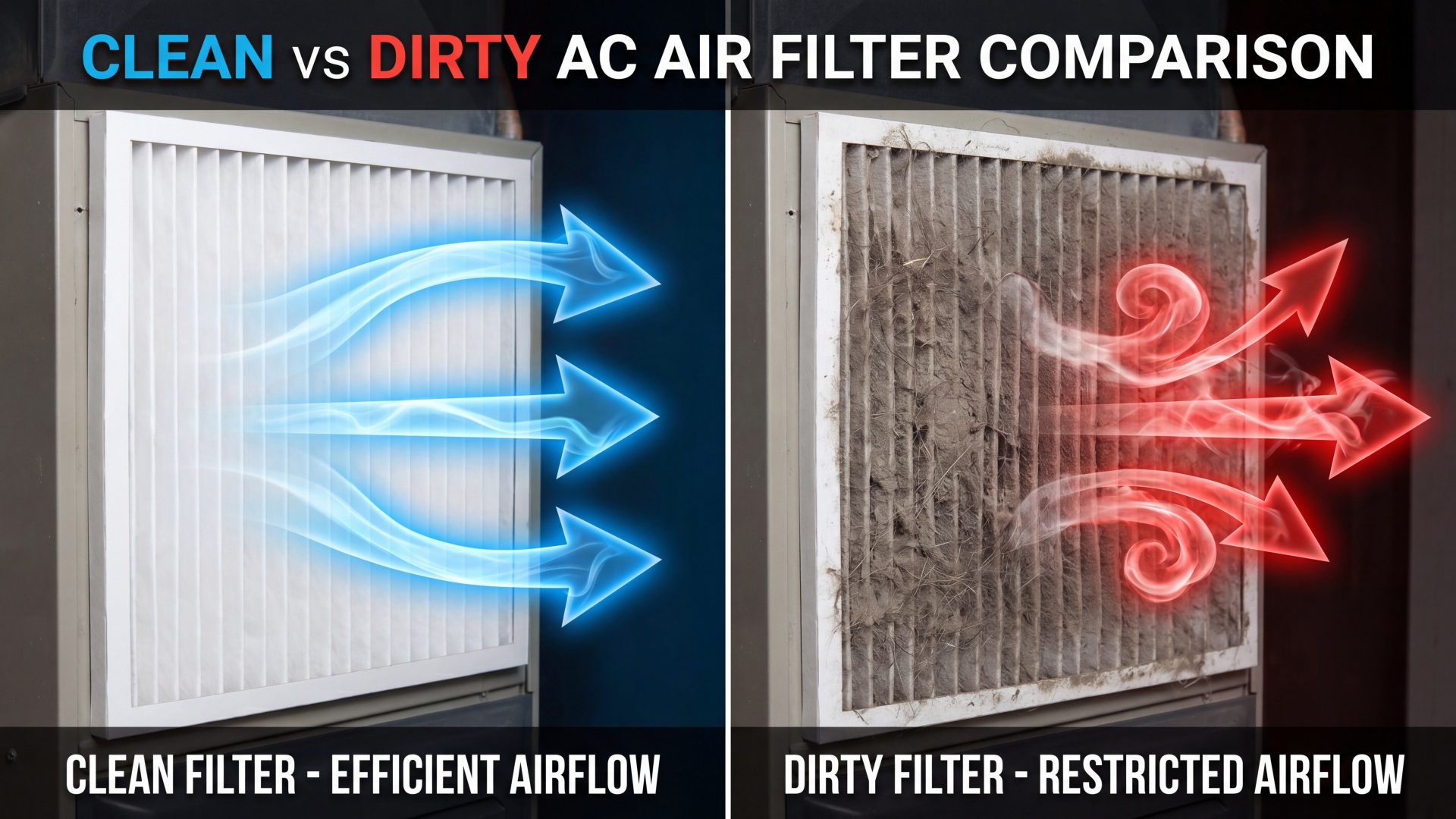
Regular filter cleaning helps improve airflow efficiency and reduces strain on the cooling system.
Benefits of Clean Air Filters
Keeping filters clean provides several important advantages.
Better Cooling Efficiency
Clean filters allow air to circulate more freely, helping the system cool rooms faster.
Lower Energy Consumption
Restricted airflow forces HVAC systems to consume more electricity.
Improved Indoor Air Quality
Air filtration maintenance helps reduce airborne dust, allergens, and debris.
Reduced System Wear
Proper airflow prevents unnecessary pressure on motors and compressors.
Many homeowners underestimate how much dirty filters can impact long-term system performance. HVAC discussion forums frequently mention clogged filters as one of the most common causes of poor cooling efficiency.
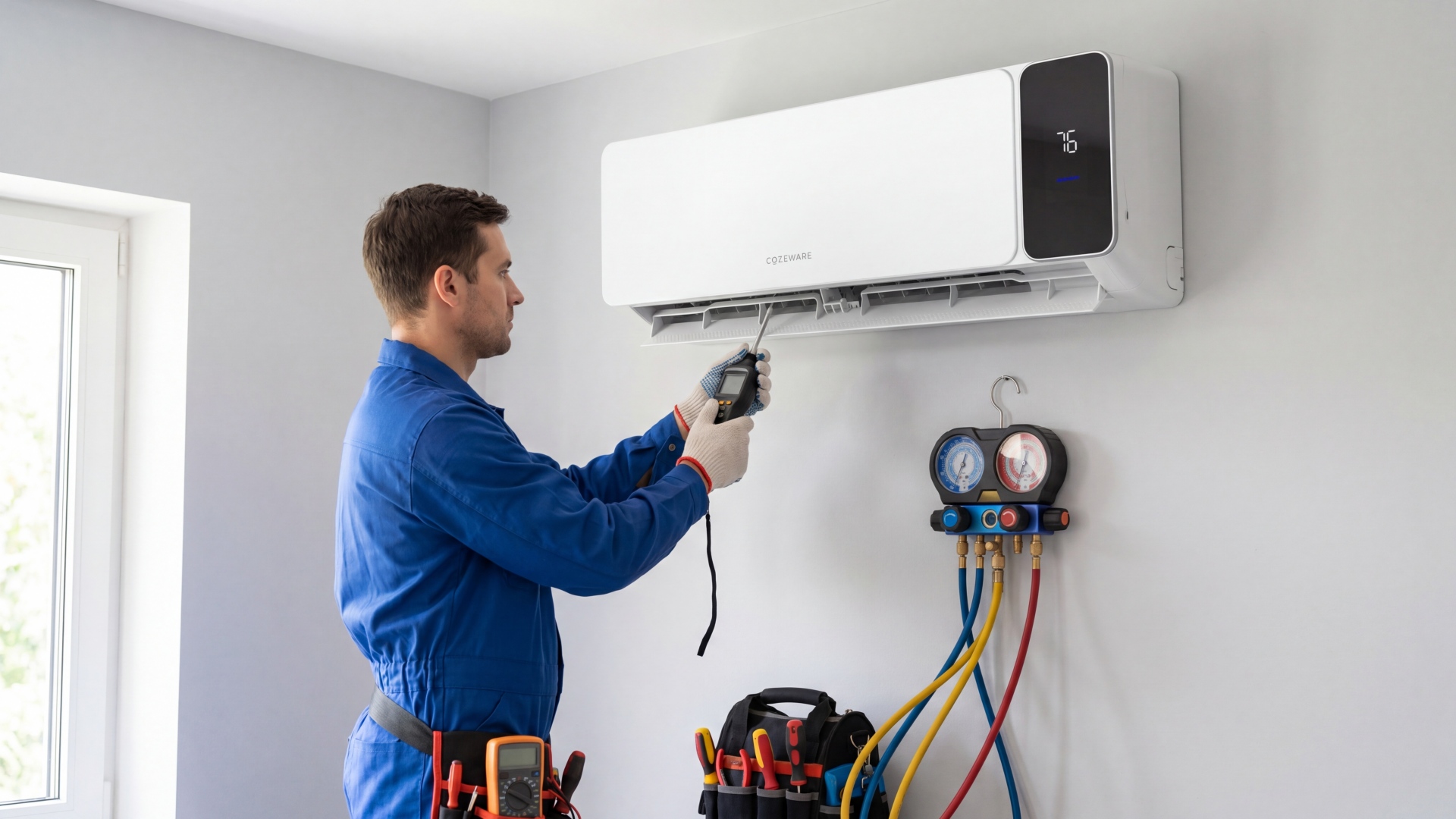
Recognizing the early signs your AC needs repair can help prevent major system damage.
Many cooling systems show warning symptoms before completely failing. Paying attention to these indicators allows homeowners to address issues quickly and avoid costly breakdowns.
Common AC Warning Signs
Weak or Warm Airflow
If your system is blowing weak air or failing to cool rooms properly, there may be airflow restrictions or refrigerant issues.
Strange Noises
Grinding, rattling, buzzing, or clicking sounds may indicate loose components or motor problems.
Water Leaks or Drainage Problems
Excess moisture near the indoor unit may suggest clogged drain lines or condensation issues.
Unusual Energy Bill Increases
A sudden spike in electricity usage can indicate reduced system efficiency.
Frequent Cycling
If the AC constantly turns on and off, there may be thermostat or compressor problems.
Why Early Repairs Are Important
Many homeowners delay repairs because the system still works partially. However, small problems often create additional stress on internal components.
Timely HVAC servicing helps reduce the risk of compressor failure, refrigerant leaks, and electrical damage.
Professional inspections can also improve system reliability during periods of extreme summer heat.
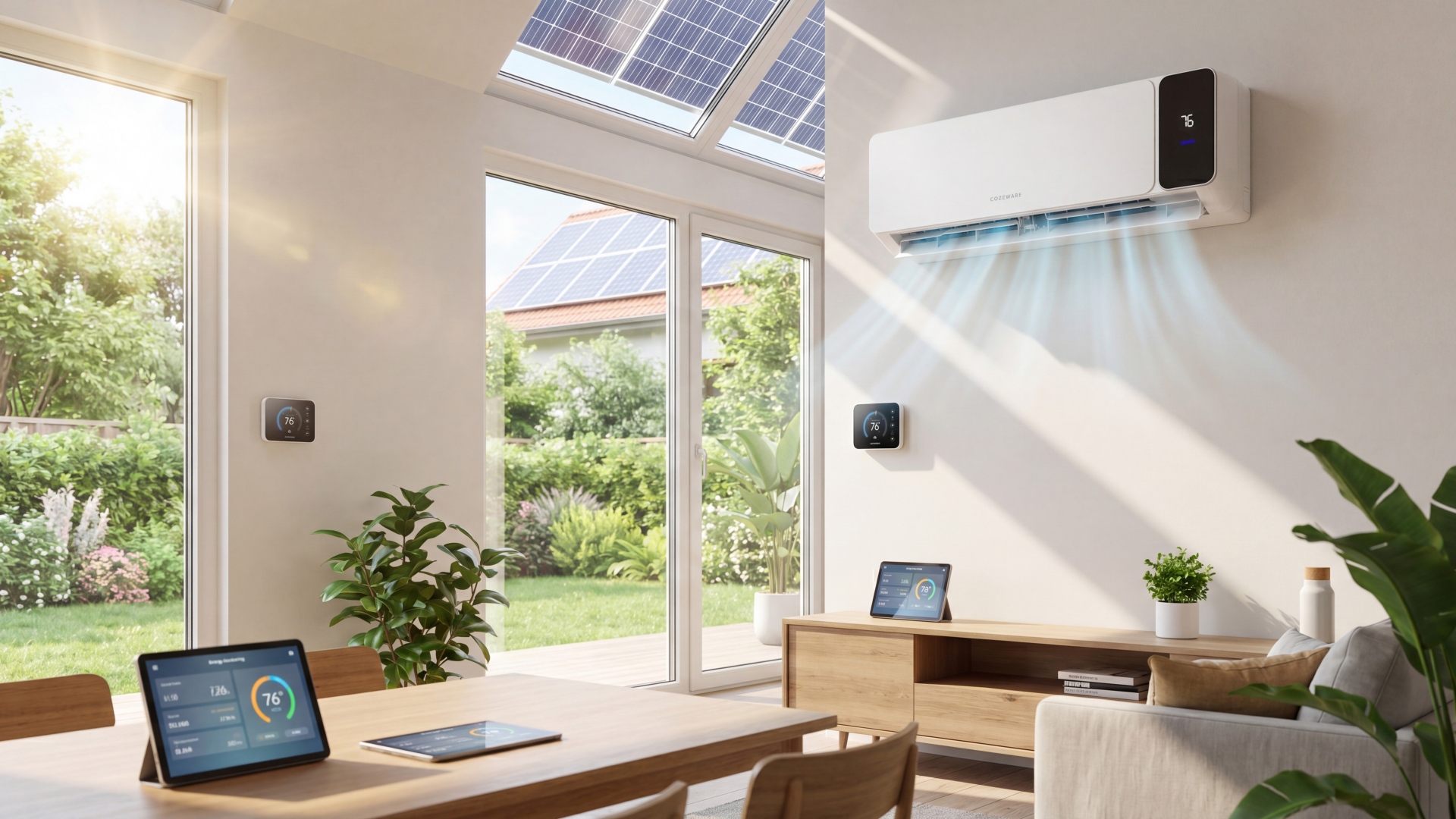
HVAC Preventive Care Helps Prolong AC Efficiency
Consistent HVAC preventive care plays a major role in helping prolong AC efficiency over time.
Modern cooling systems are designed to operate efficiently for many years, but poor maintenance habits can shorten equipment lifespan significantly.
Best Practices for Long-Term AC Efficiency
Homeowners can improve long-term performance by following these habits:
Keep outdoor units free from debris
Schedule seasonal HVAC tune-ups
Monitor airflow consistency
Use smart thermostats responsibly
Avoid extreme temperature settings
Clean filters regularly
Address small issues immediately
Long-term cooling performance depends heavily on how well the system is maintained throughout the year.
Smart Thermostats and Energy Management
Another growing trend in HVAC care is the use of smart thermostats and automated energy management systems.
Smart climate control systems can help reduce unnecessary system strain by maintaining stable temperatures instead of forcing constant temperature changes.
Many homeowners report improved comfort and lower utility bills after optimizing their thermostat schedules.
Why Energy Efficiency Matters
As electricity costs continue rising, homeowners are increasingly focused on energy-saving cooling solutions.
Proper maintenance not only helps extend AC lifespan but also improves overall energy efficiency and indoor comfort.
Efficient cooling systems require less energy to maintain comfortable temperatures, reducing both environmental impact and long-term operating costs.