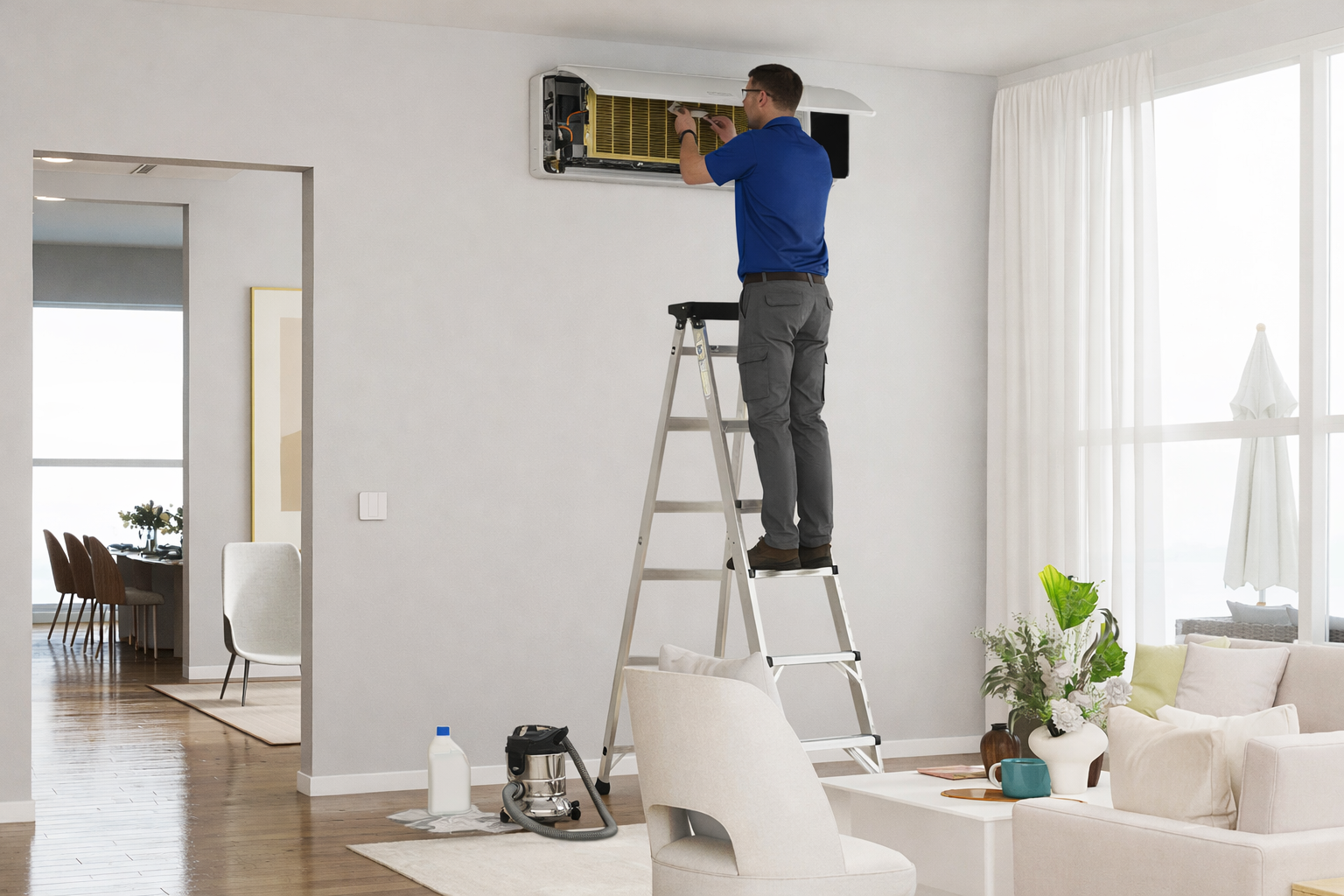
1. Why Cleaning Your Mini Split Matters (U.S. Homeowners' Perspective)
Regular cleaning directly affects performance, efficiency, and indoor air quality. For U.S. homes—especially those with pets, allergies, or high humidity—cleaning is essential because:
It improves indoor air quality by reducing dust, allergens, and mold.
It prevents mold growth inside the air handler.
It decreases energy consumption and lowers utility bills.
It protects your investment and extends your system’s lifespan.
It helps maintain consistent heating and cooling comfort year-round.
2. How Often Should You Clean a Mini Split? (Expert Recommendations)
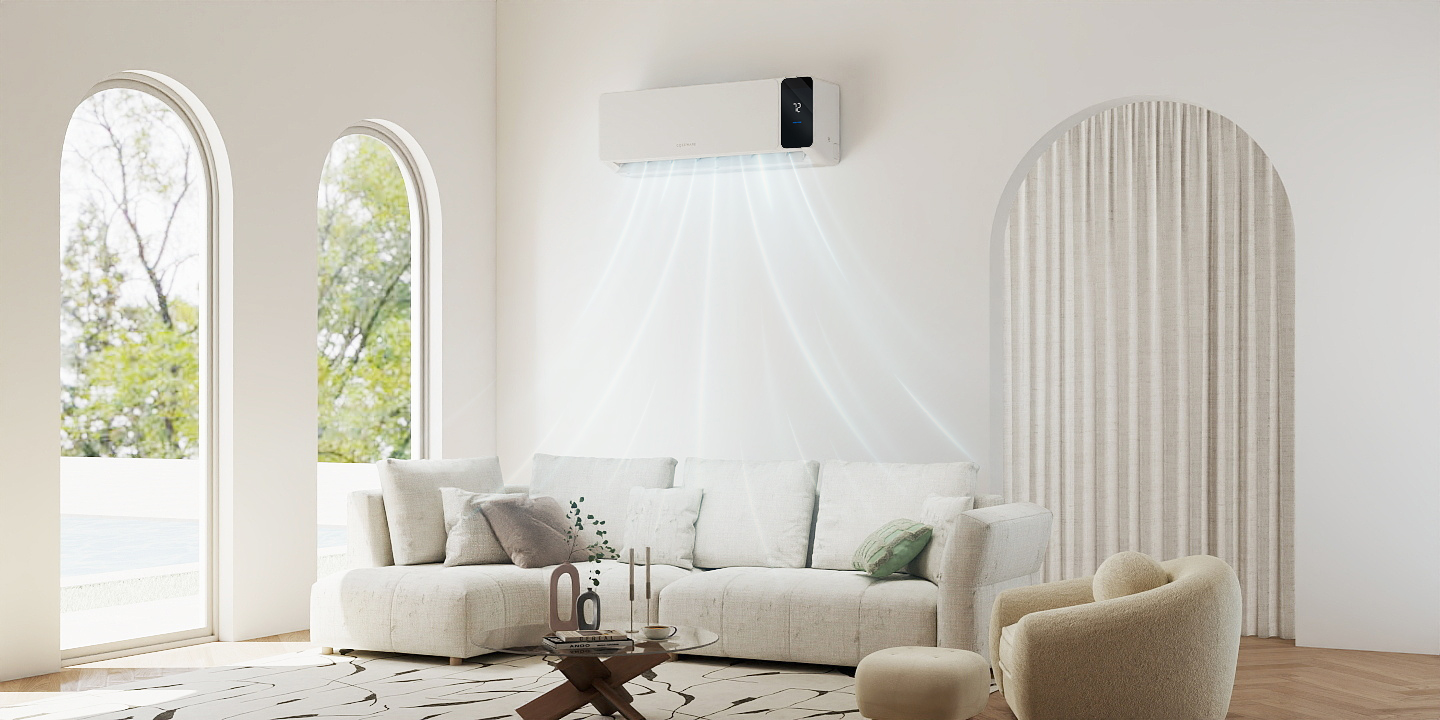
Here are standard U.S. HVAC recommendations:
Filters: Clean every 4–6 weeks.
Indoor unit deep cleaning: Every 6–12 months.
Outdoor condenser: Twice per year—typically spring and fall.
High-demand homes (pets, allergies, coastal areas, humid states): Clean more frequently.
These intervals ensure your unit stays energy-efficient and prevents mold buildup.
3. Signs Your Mini Split Needs Cleaning Sooner
If your mini split shows any of these symptoms, it’s time for immediate cleaning:
Reduced airflow or weaker cooling/heating
Musty, sour, or moldy smells
Visible dust buildup on vents or filters
Increasing electricity bills
Unusual noises from the indoor unit
Water dripping or leaking from the air handler
Ignoring these signs can lead to performance drop, mold growth, or even system damage.
4. Can You Clean a Mini Split Yourself? (What You Can and Can’t Do)
✔ Tasks You Can Safely Handle at Home
Removing and washing air filters
Cleaning the front plastic panel
Wiping accessible surfaces
Using a soft brush or vacuum for minor dust
Cleaning outdoor condenser fins with gentle garden hose spray
✘ Tasks That Require a Professional
Deep chemical cleaning of evaporator coils
Removing mold inside the air handler
Drain line flushing or unclogging
Inspecting refrigerant levels or sealed components
Internal disassembly
DIY cleaning is useful for light maintenance, but deep cleaning should always be done by a trained HVAC technician.
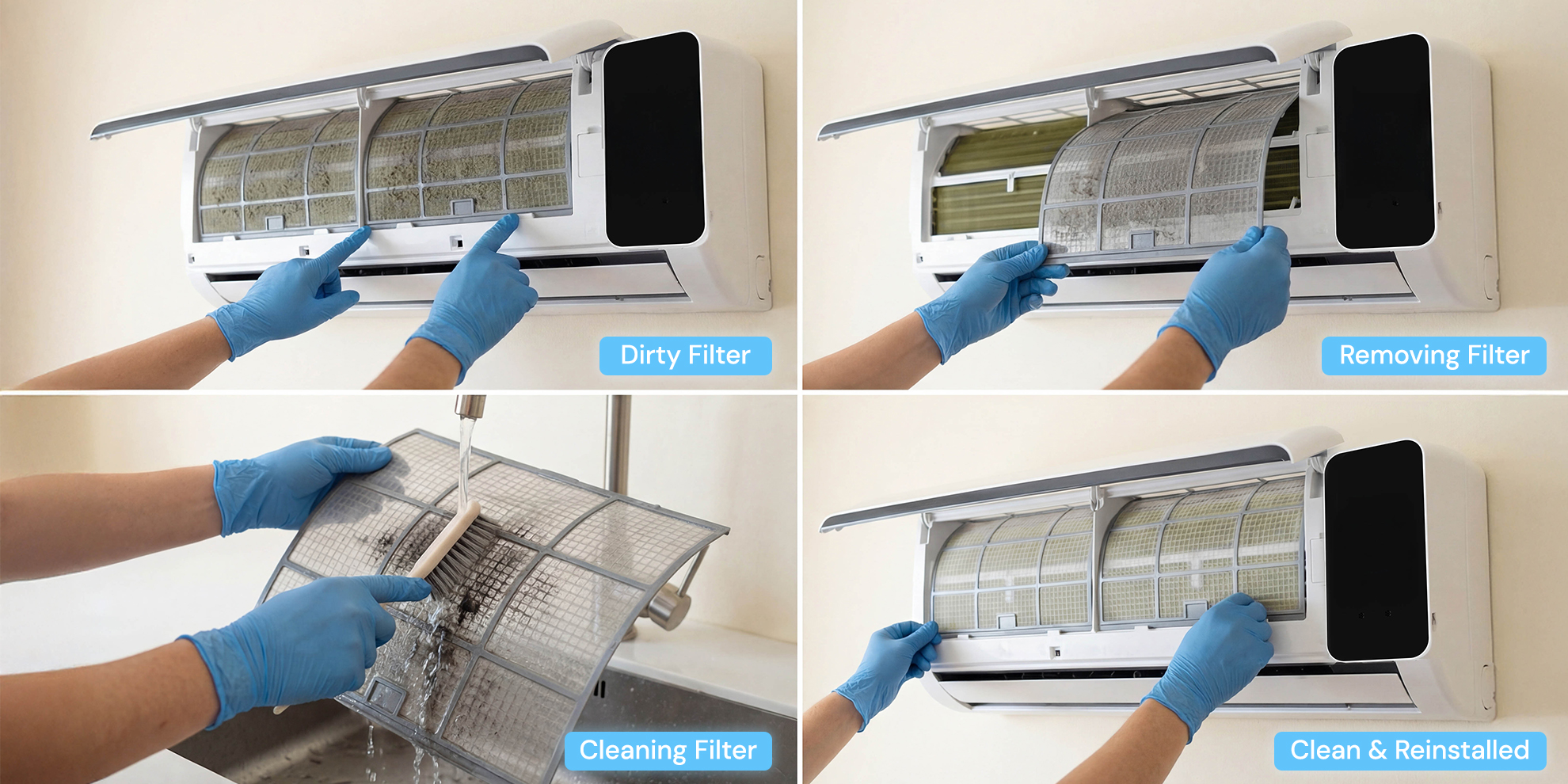
5. Step-by-Step: Simple DIY Cleaning Guide for Homeowners
Follow this basic cleaning routine every few weeks:
Step 1: Turn off the power
Always shut off the breaker or unit switch before cleaning.
Step 2: Open the front panel and remove filters
Wash filters with warm water and mild detergent, then let them dry completely.
Step 3: Wipe down the outer surfaces
Use a damp microfiber cloth to remove dust and dirt.
Step 4: Light dust removal
Use a vacuum with a soft brush attachment to gently clean visible dust around the fan area without touching internal parts.
Step 5: Clean the outdoor unit
Remove leaves, branches, and debris
Gently rinse fins with a low-pressure garden hose
Ensure the area around the condenser remains unobstructed
Step 6: Call a pro if you notice mold, leaks, or unusual noises
Do not attempt deep coil cleaning without proper tools and training.
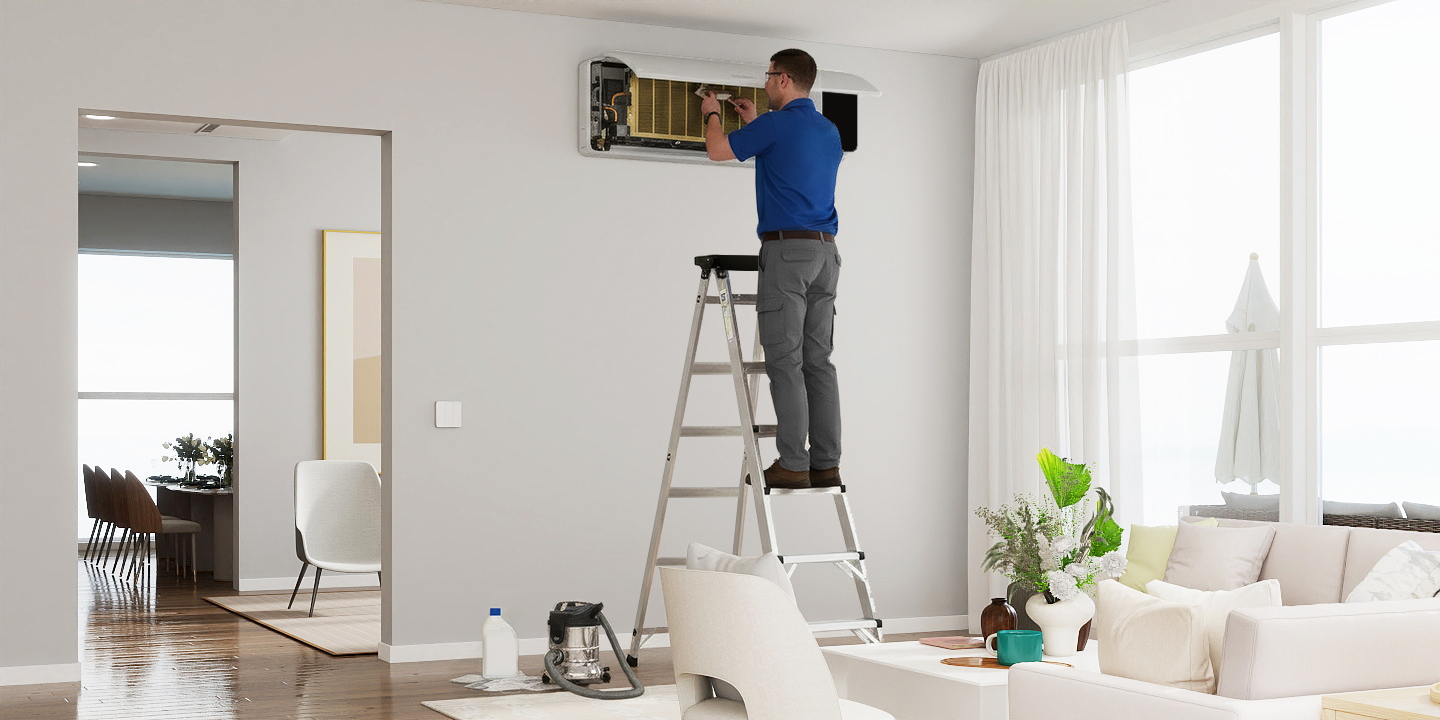
6. Professional Mini Split Cleaning in the U.S.: What to Expect
A professional HVAC technician will typically perform:
Deep cleaning of evaporator and condenser coils
Mold inspection and removal
Drain line cleaning to prevent leaks
Fan and blower wheel cleaning
System diagnostics for performance and refrigerant health
Typical Cost in the U.S.:
$120–$300 per indoor unit, depending on location and service scope.
This ensures your system stays sanitary, efficient, and reliable.
7. How to Prevent Dirt & Mold Between Cleanings
To keep your mini split clean longer:
Maintain indoor humidity below 50%
Use Dry or Dehumidify mode regularly
Keep your room dust-free
Avoid blocking airflow around the unit
Use higher-quality replacement filters
Ensure proper drainage around the outdoor unit
Simple habits can significantly reduce mold and dust buildup.
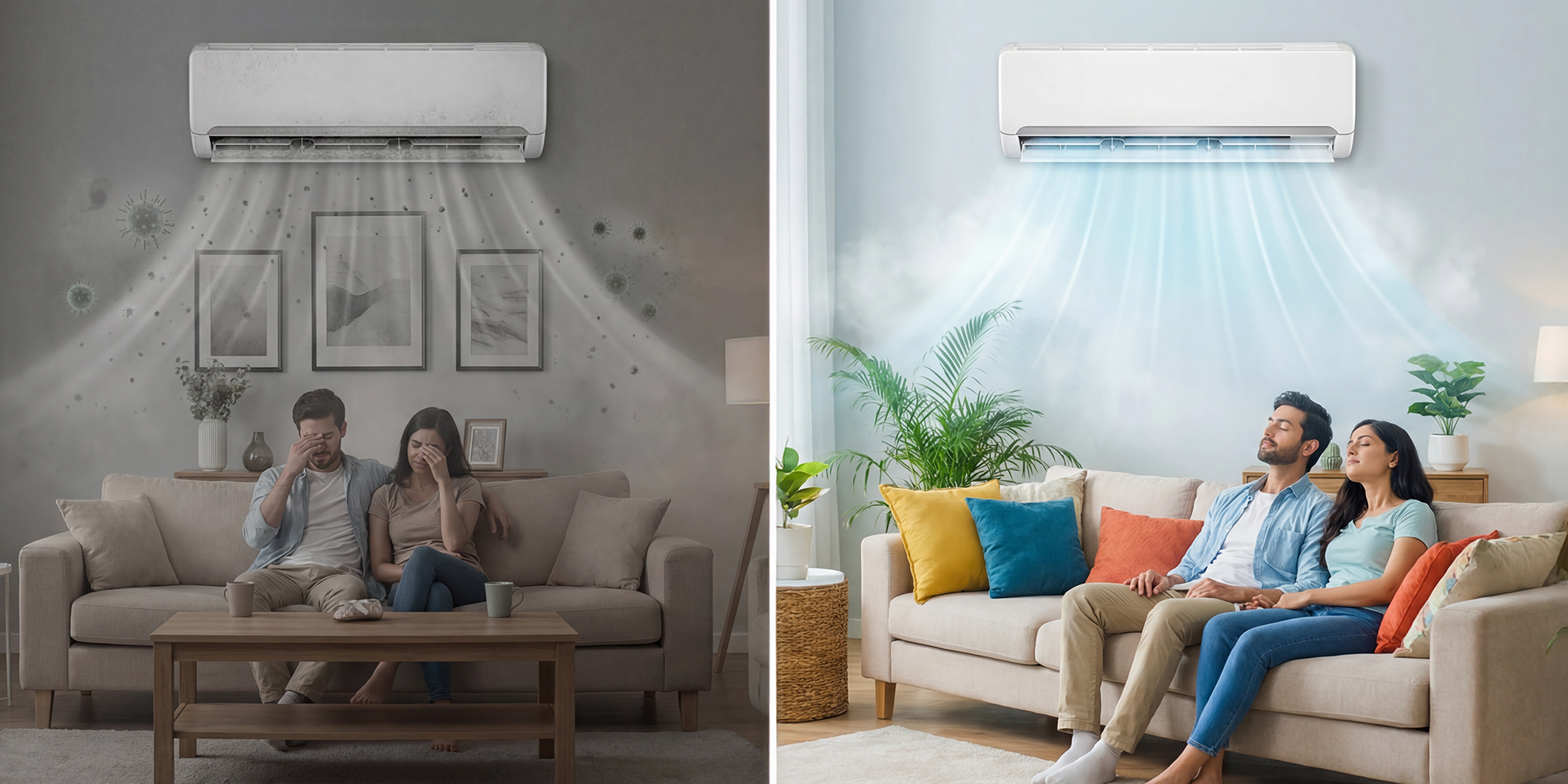
8. Conclusion: The Best Cleaning Strategy for U.S. Homeowners
Clean filters every 4–6 weeks
Schedule professional deep cleaning once per year
Watch for early warning signs (smells, weak airflow, leaks)
Combine DIY cleaning with professional maintenance for best performance
Regular cleaning keeps your mini split operating efficiently, protects your indoor air quality, and extends the overall lifespan of your HVAC system.