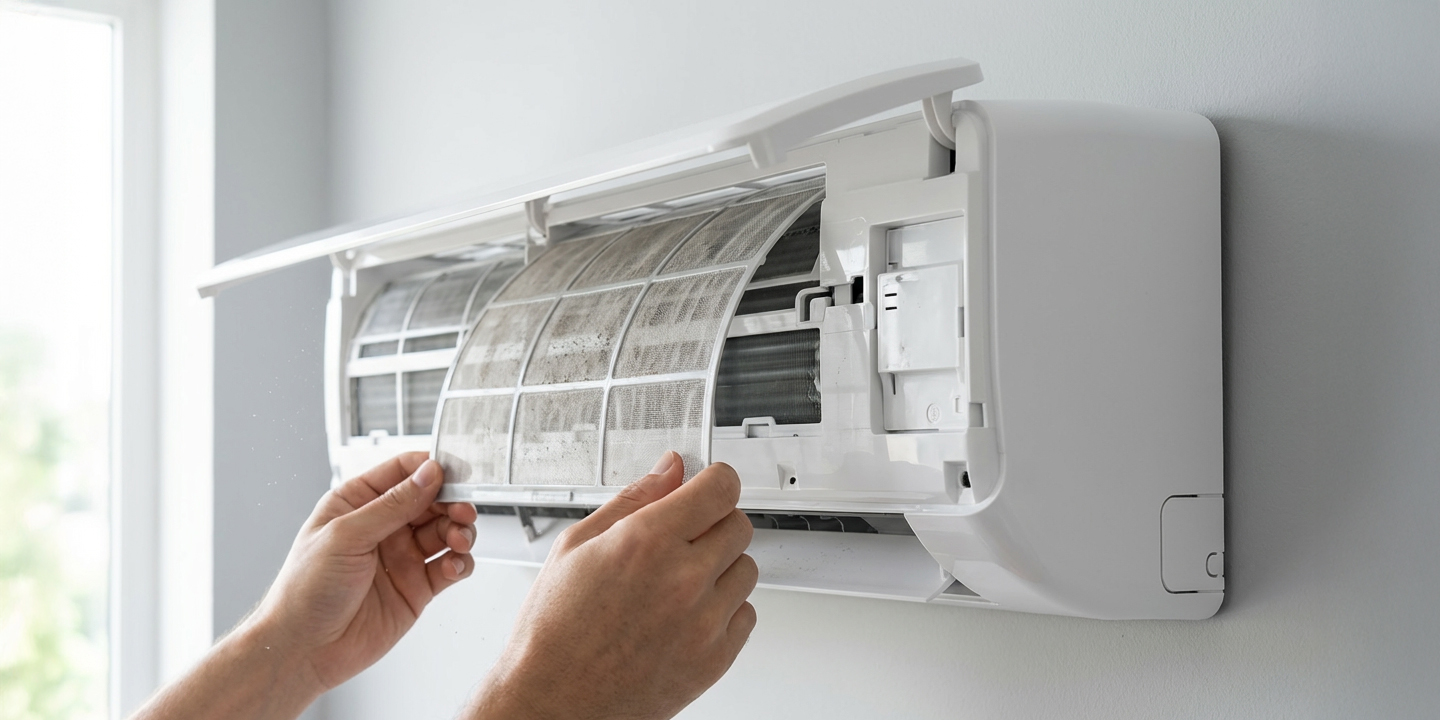
1. Why Longevity Matters
A well-maintained mini split can last 12–20 years. A neglected one may fail in less than 8. Longevity matters because it directly affects:
Lower repair costs
Fewer breakdowns
Better long-term efficiency
Simply put, proper maintenance saves money and delivers more comfort.
2. Clean the Filters Regularly
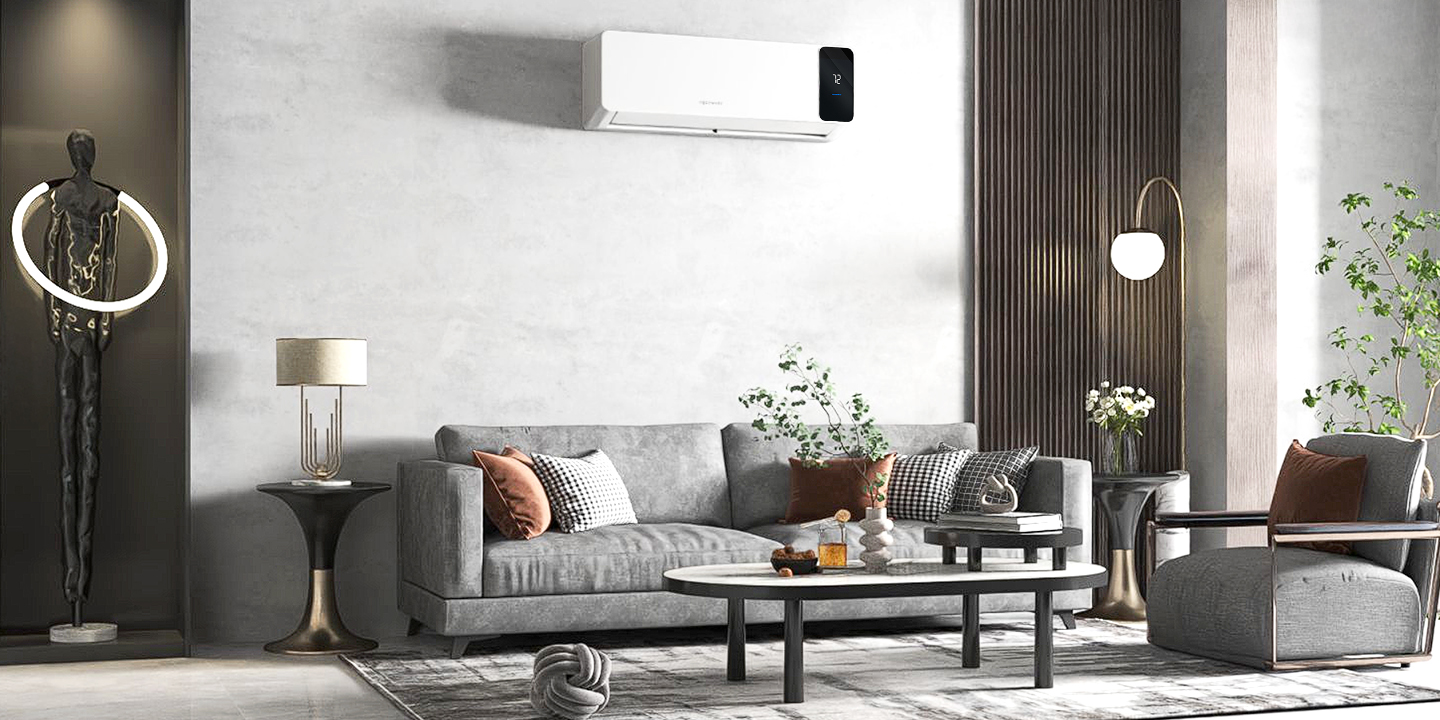
Dirty filters force your system to work harder, wasting energy and wearing out components—especially the compressor.
Recommended cleaning frequency in the U.S.:
Every 4–6 weeks for typical households
Every 2–3 weeks if you have pets, allergies, or high dust
Simple DIY steps:
Open the front panel
Remove the filters
Rinse with warm water
Let dry completely before reinstalling
If the filter is damaged or aging, replacing it is better than washing it.
3. Schedule Professional Maintenance
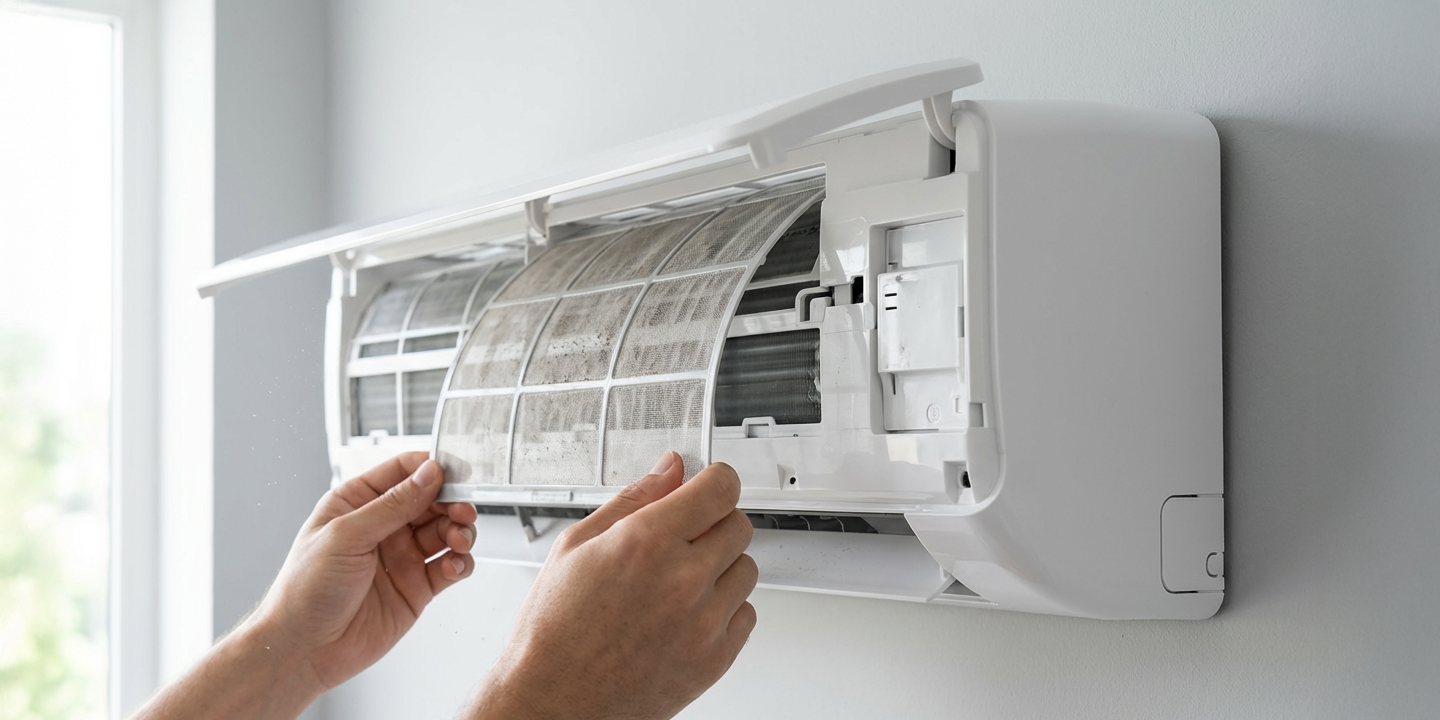
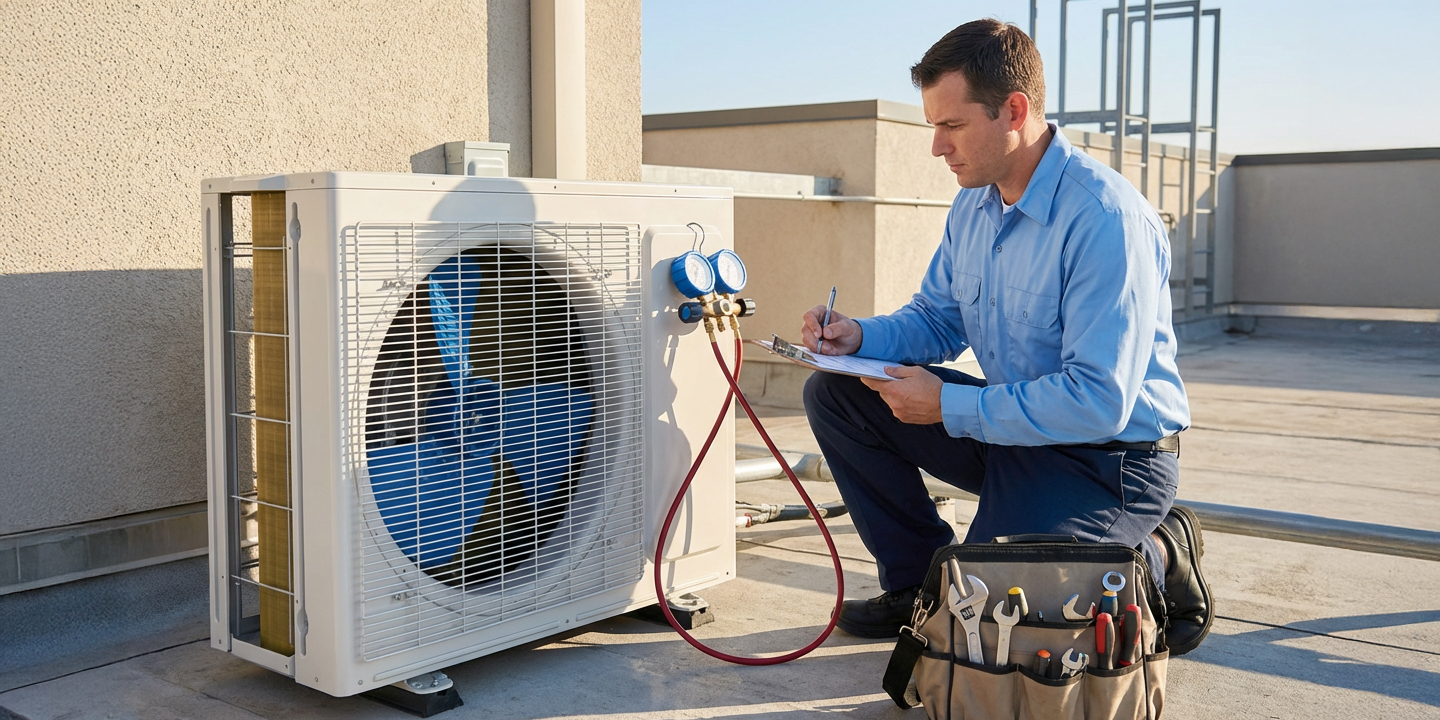
Annual maintenance prevents serious problems such as refrigerant leaks or compressor failure.
A technician typically checks:
Refrigerant levels
Coil condition
Electrical connections
Sensors & temperature readings
Drainage system
Best seasons in the U.S.: spring and early fall—before peak HVAC demand.
4. Keep the Outdoor Unit Clean & Unobstructed
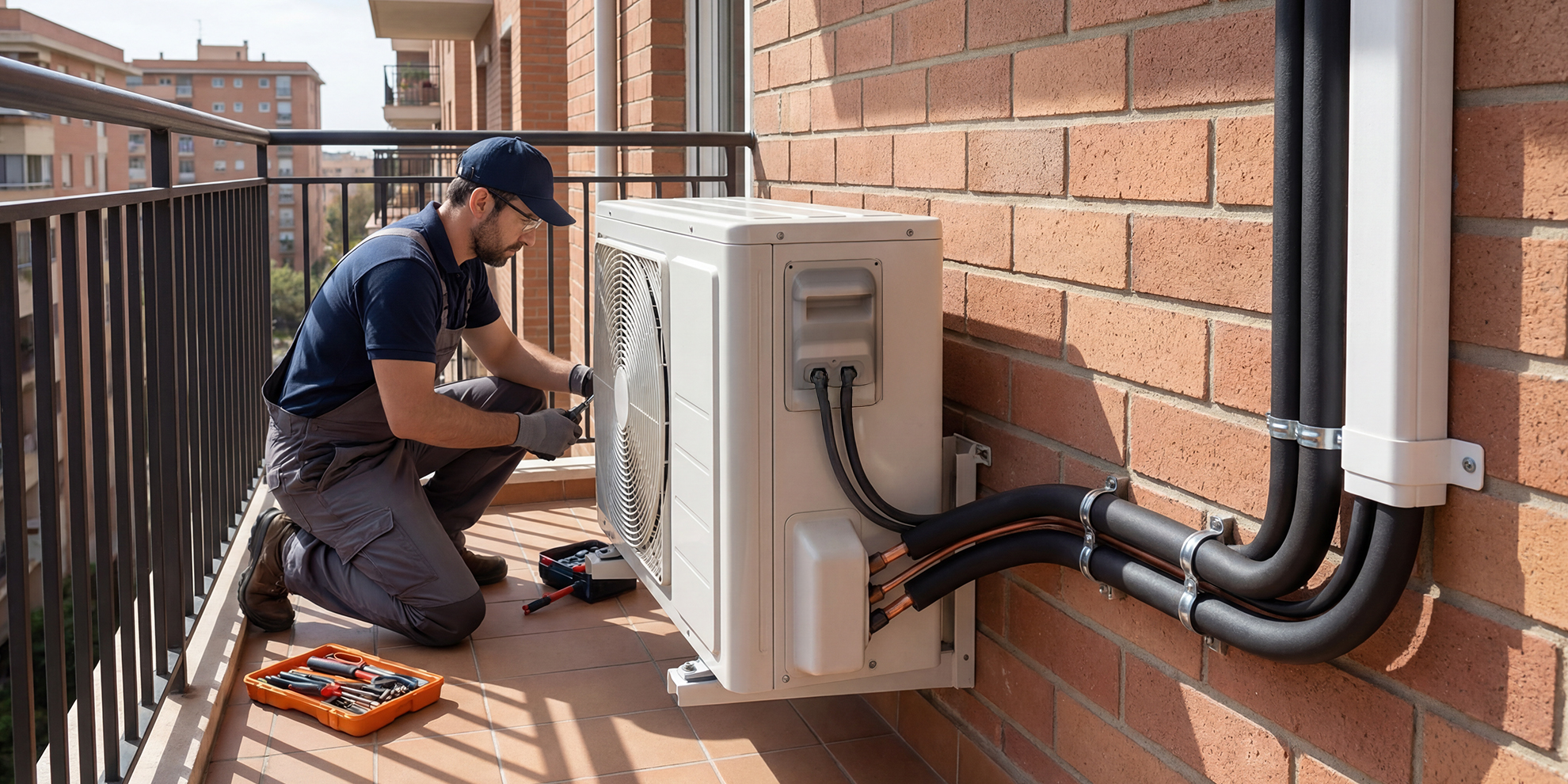
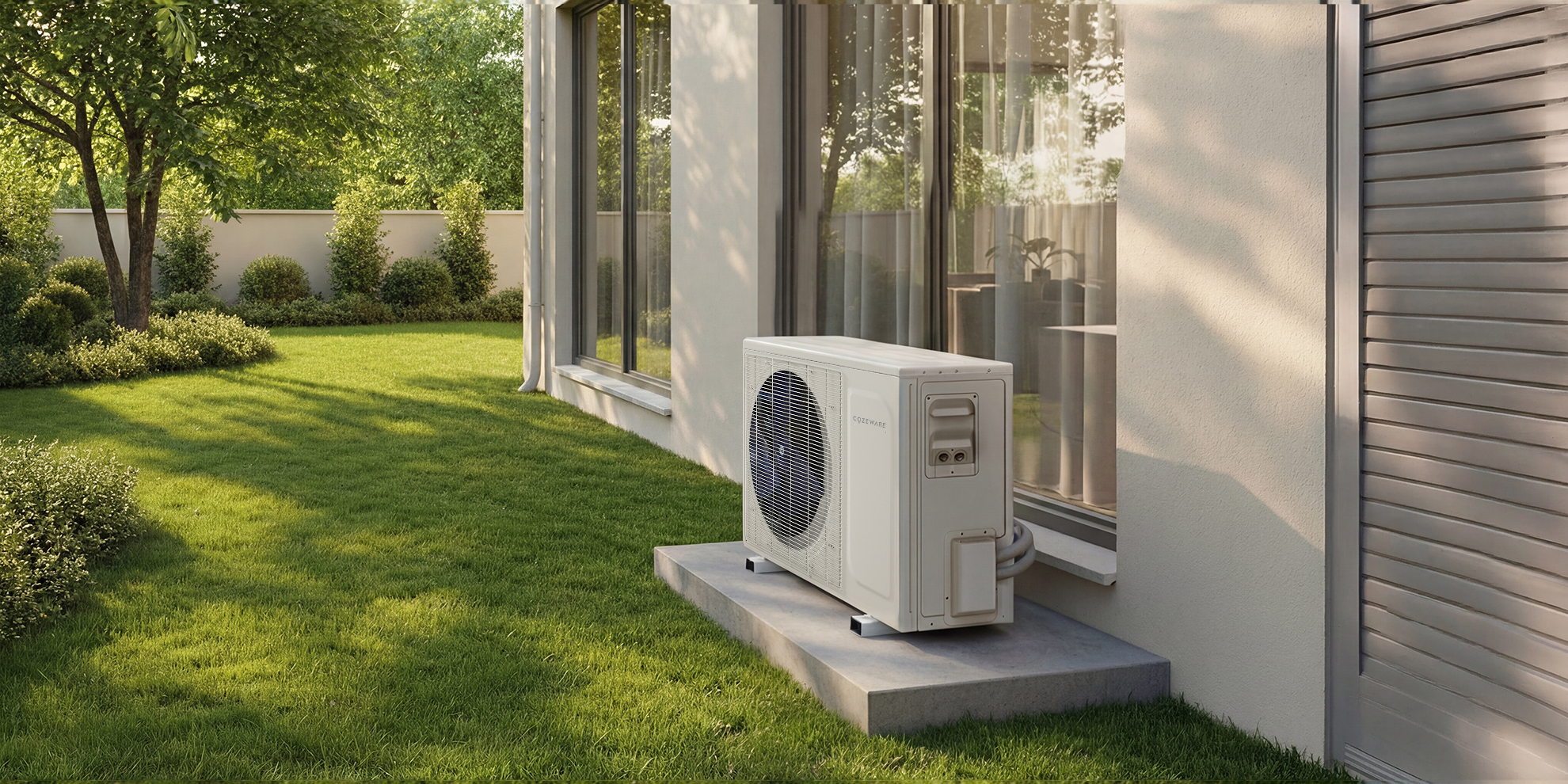
Outdoor units are easily affected by leaves, grass, weeds, pollen, and snow. Poor airflow forces the system to overwork.
Recommendation:
Maintain 2–3 feet (60–90 cm) of clearance around the unit
Clean leaves, weeds, and debris regularly
Keep snow away during winter
A clean outdoor unit lives longer and works more efficiently.
5. Avoid Overworking the System
Some users frequently turn their systems on and off, thinking it saves energy—when it actually increases wear.
Better practices include:
Keep summer temps between 72–78°F (22–26°C)
Keep winter temps around 68–72°F (20–22°C)
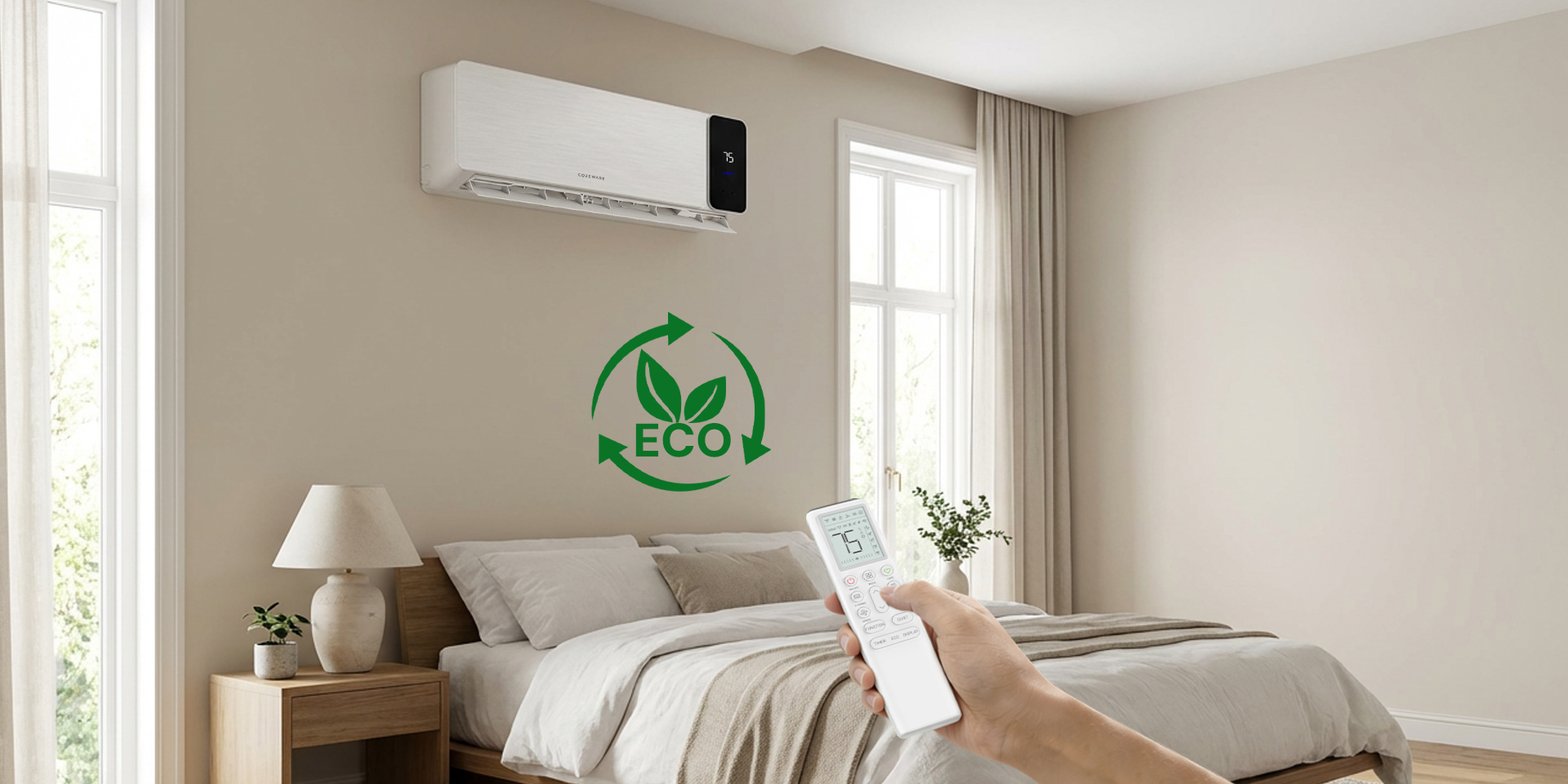
Use Eco Mode and Sleep Mode to reduce load
Mini splits perform best with steady, moderate operation.
6. Install a Surge Protector
Power surges—common in states like Texas, Florida, and California—can damage sensitive components such as circuit boards or compressors.
A $20–$40 surge protector can prevent expensive repairs.
This is one of the cheapest and most effective ways to extend system lifespan.
7. Address Refrigerant Issues Early
Low refrigerant is dangerous—it reduces cooling, increases runtime, and can destroy the compressor.
Signs include:
Weak cooling
Ice buildup on coils
Long operating times
Indoor unit dripping water
In the U.S., refrigerant must be handled by certified technicians—never DIY.
8. Create a Healthy Environment for the Indoor Unit
Where you install your indoor unit affects its longevity.
Avoid:
Direct sunlight
Heat sources (stoves, heaters)
Blocked airflow (large furniture)
Also, maintain proper humidity to prevent mold growth.
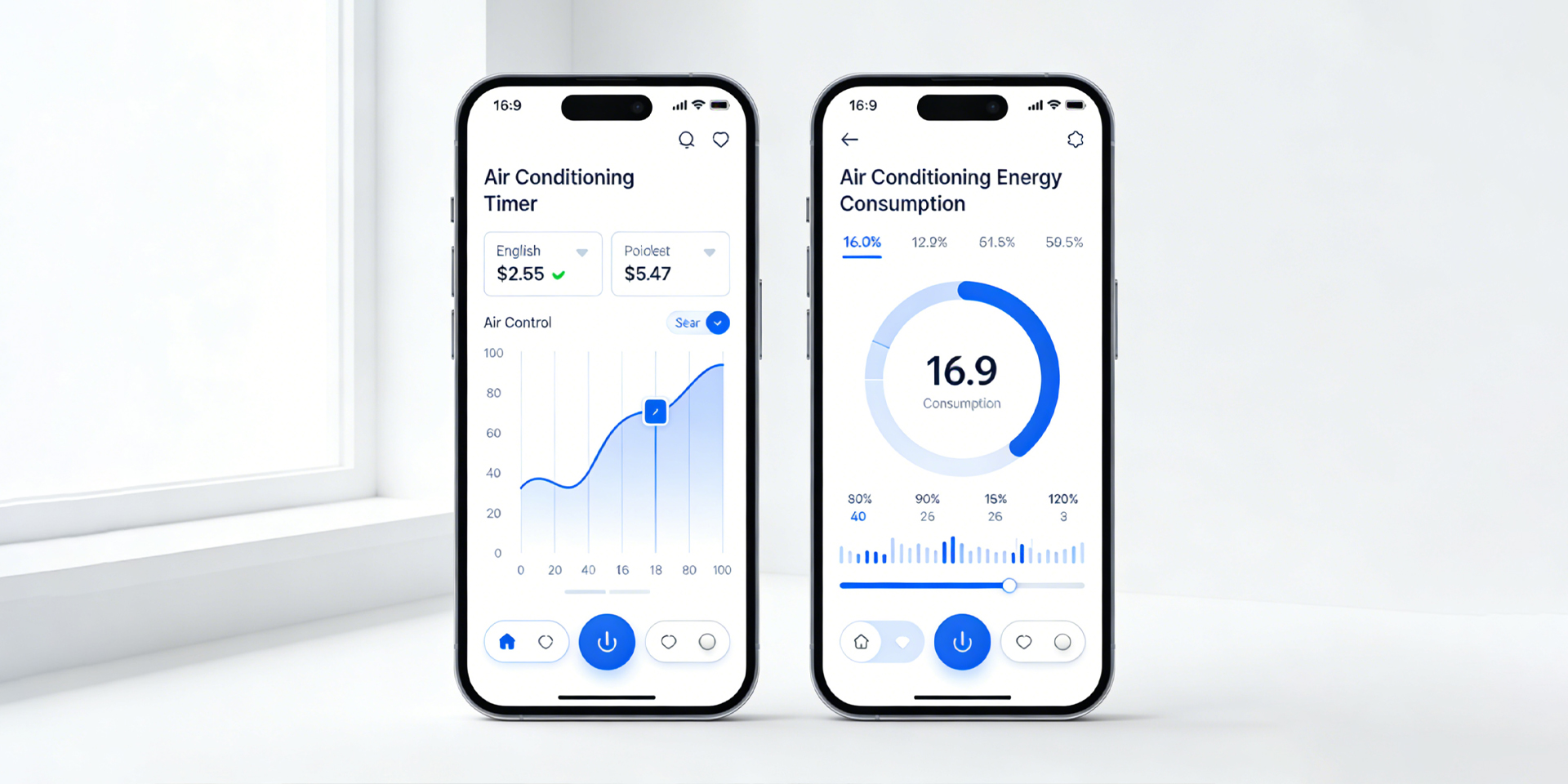
9. Use Smart Features to Reduce Wear
Many mini splits now include smart features that help extend lifespan.
Examples:
Schedule automatic on/off
Monitor energy usage to identify issues early
Adjust temperature remotely
Let your system work smarter—not harder.
10. Know When It’s Time to Replace
Replacement may be smarter when:
Repair cost exceeds 40–50% of a new unit
The unit is 10–15+ years old
Performance or efficiency significantly declines
Frequent major repairs occur
Newer systems usually offer higher SEER2 efficiency, better airflow, and smarter technology.
Conclusion
Mini splits are incredibly durable when maintained properly. With a few simple habits—regular cleaning, annual tune-ups, smart usage—you can enjoy reliable comfort for a decade or more.
Taking care of your system today means fewer problems and lower costs tomorrow.