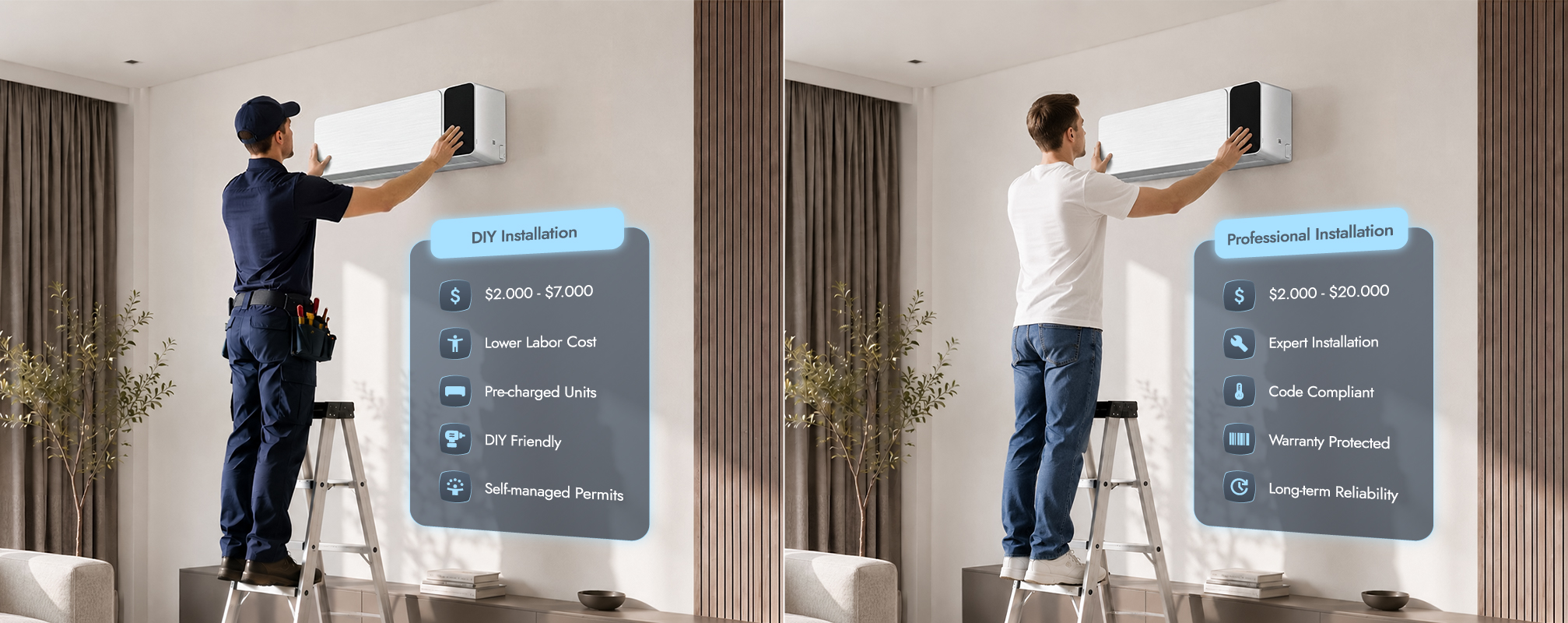
If you're researching ductless cooling and heating options, understanding mini split installation cost is one of the most important steps before making a purchase decision. Installation costs can vary significantly depending on the size of your home, the number of zones you need, whether you hire a professional or attempt the project yourself, and your local labor rates. Getting a clear picture of these costs upfront helps you budget accurately and avoid unexpected expenses once the project begins.
In this guide, we'll break down typical pricing, compare DIY versus professional installation, outline key requirements, and help you understand what factors most influence your final bill.
Average Mini Split Installation Cost Breakdown
The average mini split installation cost typically ranges from $2,000 to $7,500 for a single-zone system, including both equipment and labor. Multi-zone systems, which allow you to cool or heat multiple rooms independently, can range from $4,000 to $15,000 or more depending on the number of zones.
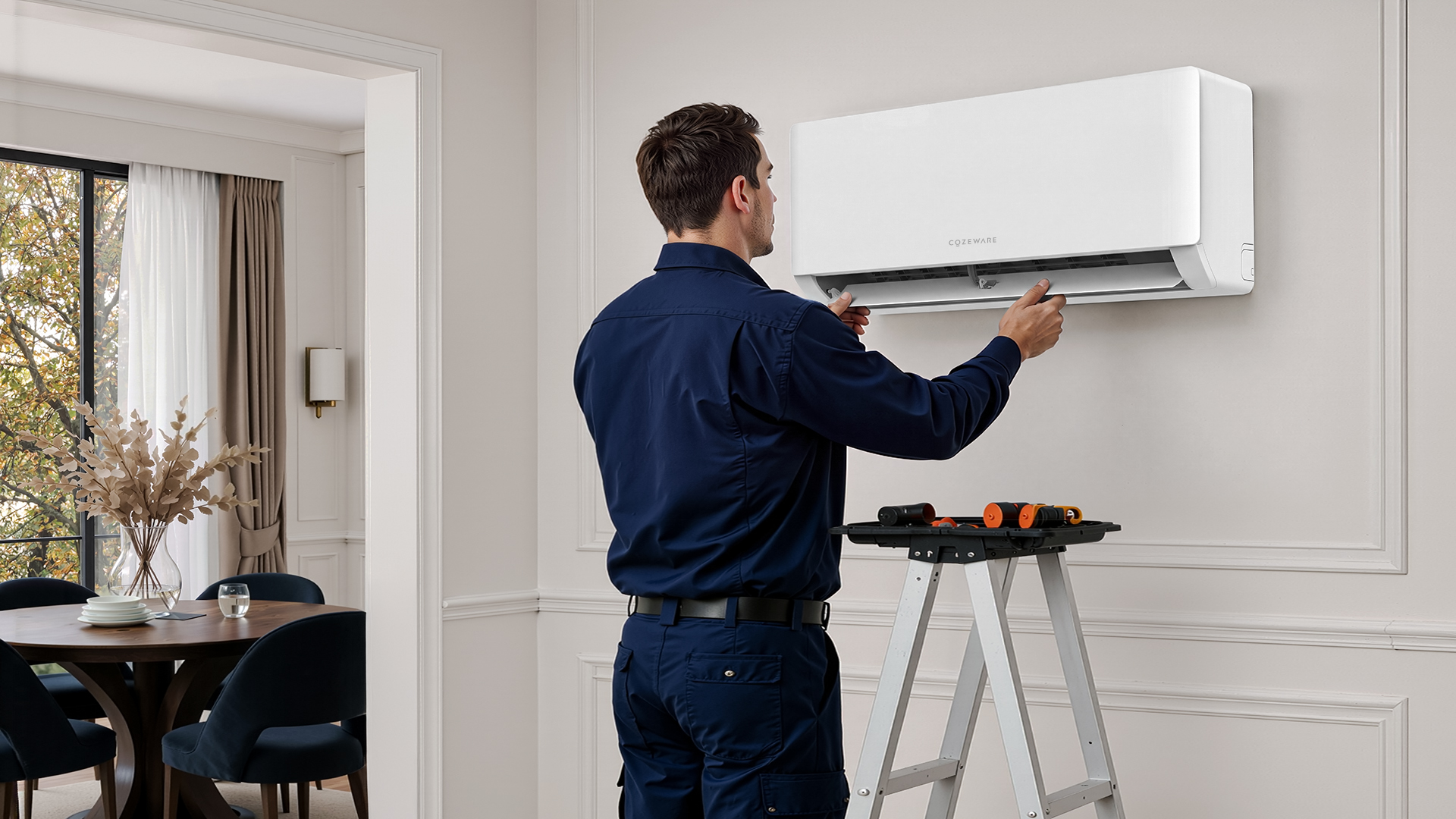
What Affects the Total Price
Several factors play a role in determining where your project falls within these ranges:
System size and BTU capacity — Larger units designed for bigger spaces cost more
Number of zones — Each additional indoor unit adds to both equipment and labor costs
Brand and efficiency rating — Higher SEER-rated units typically come at a premium
Electrical work required — Older homes may need panel upgrades or new wiring
Line set length — Longer distances between indoor and outdoor units increase material and labor costs
Wall material — Brick, stucco, or concrete walls require more labor-intensive mounting
Typical Cost Ranges by System Type
Single-zone system (12,000-18,000 BTU): $2,000-$5,000 installed
Two-zone system: $4,500-$8,500 installed
Three to four-zone system: $7,000-$15,000 installed
Whole-home multi-zone systems (5+ zones): $12,000-$20,000+ installed
These figures include the indoor and outdoor units, line sets, mounting brackets, electrical connections, and standard labor. Costs can shift higher in regions with elevated labor rates or during peak installation seasons.
DIY Mini Split Installation: Is It Worth the Savings?
For budget-conscious homeowners, DIY mini split installation has become more accessible thanks to the rise of pre-charged units that don't require refrigerant line connections by a licensed technician. These "DIY-friendly" or "plug-and-play" mini splits can reduce overall costs significantly.
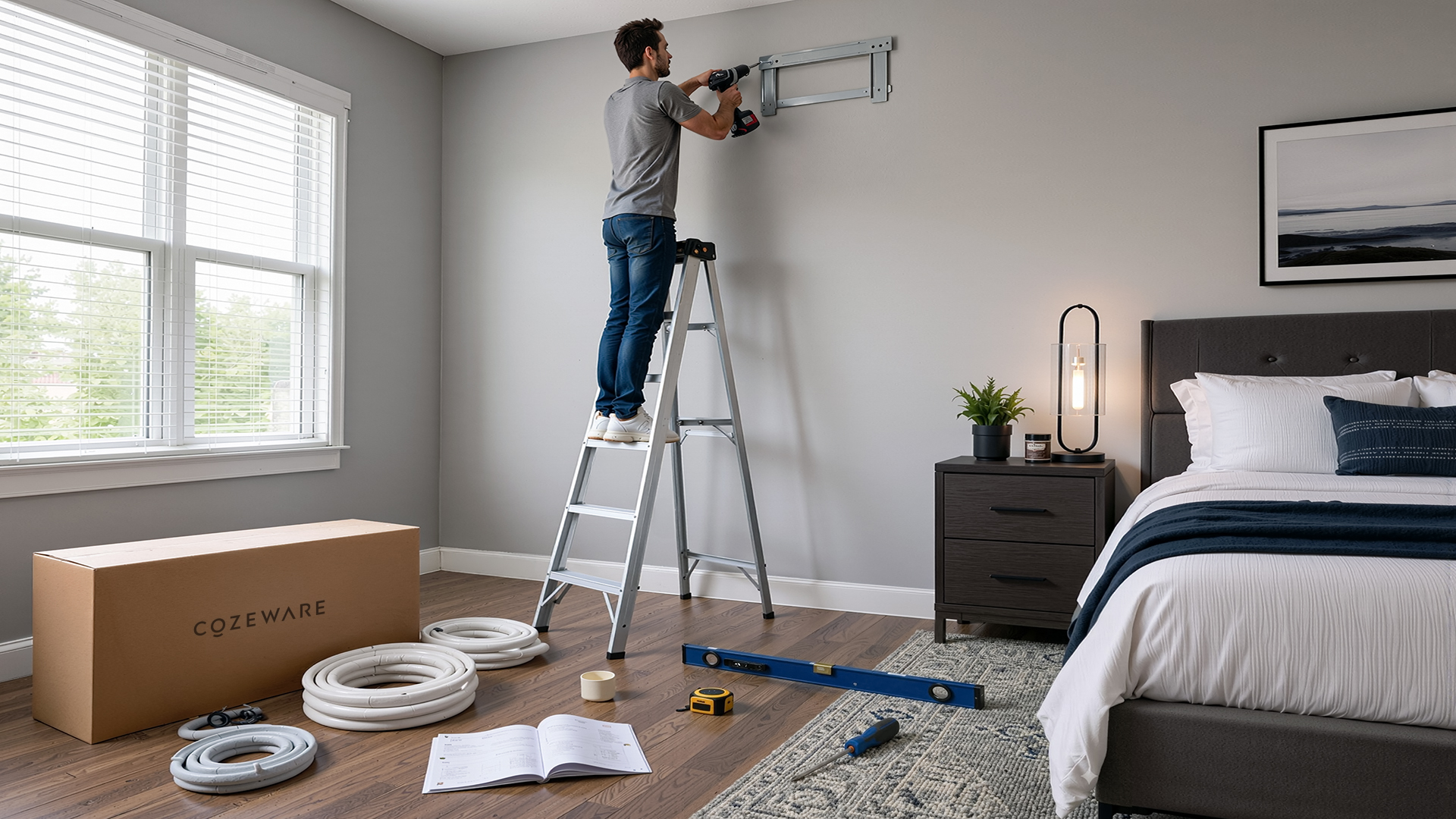
Potential Savings With DIY
Pre-charged units eliminate the need for refrigerant handling certification
Homeowners can save $1,000-$3,000 in labor costs on a system
Mounting brackets and line sets are often included with simplified installation kits
Many units come with detailed video guides and customer support lines
Risks and Limitations
While DIY installation can cut costs, it's not without drawbacks:
Improper installation can void manufacturer warranties
Electrical work may still require a licensed electrician, especially for dedicated circuits
Incorrect mounting or line set bending can reduce system efficiency and lifespan
Permits are often required even for DIY projects, depending on local building codes
Resale value of homes with professionally installed HVAC systems is sometimes viewed more favorably by buyers
For smaller projects—such as a single room addition or garage—DIY can be a reasonable option for handy homeowners. However, larger systems or homes with complex electrical needs are usually better suited for professional installation.
Professional Mini Split Installation: What's Included
Choosing professional mini split installation ensures the system is properly sized, correctly charged with refrigerant, and installed according to manufacturer specifications and local codes. Licensed HVAC technicians bring expertise that's difficult to replicate with DIY kits.
What a Professional Installation Typically Covers
Load calculation to determine the correct unit size for your space
Proper refrigerant line installation and pressure testing
Electrical hookups completed by licensed electricians when needed
Permitting and inspection coordination with local authorities
Warranty registration to ensure full manufacturer coverage
Post-installation testing to confirm proper operation and efficiency
Labor Cost Expectations
Professional labor costs generally fall between $500 and $2,000 per zone, depending on complexity, accessibility, and regional rates. Installers in areas with a high cost of living or during summer peak demand periods may charge on the higher end of this range.
Mini Split Installation Requirements You Should Know
Before installation begins—whether DIY or professional—there are several mini split installation requirements that homeowners should be aware of to avoid delays or complications.
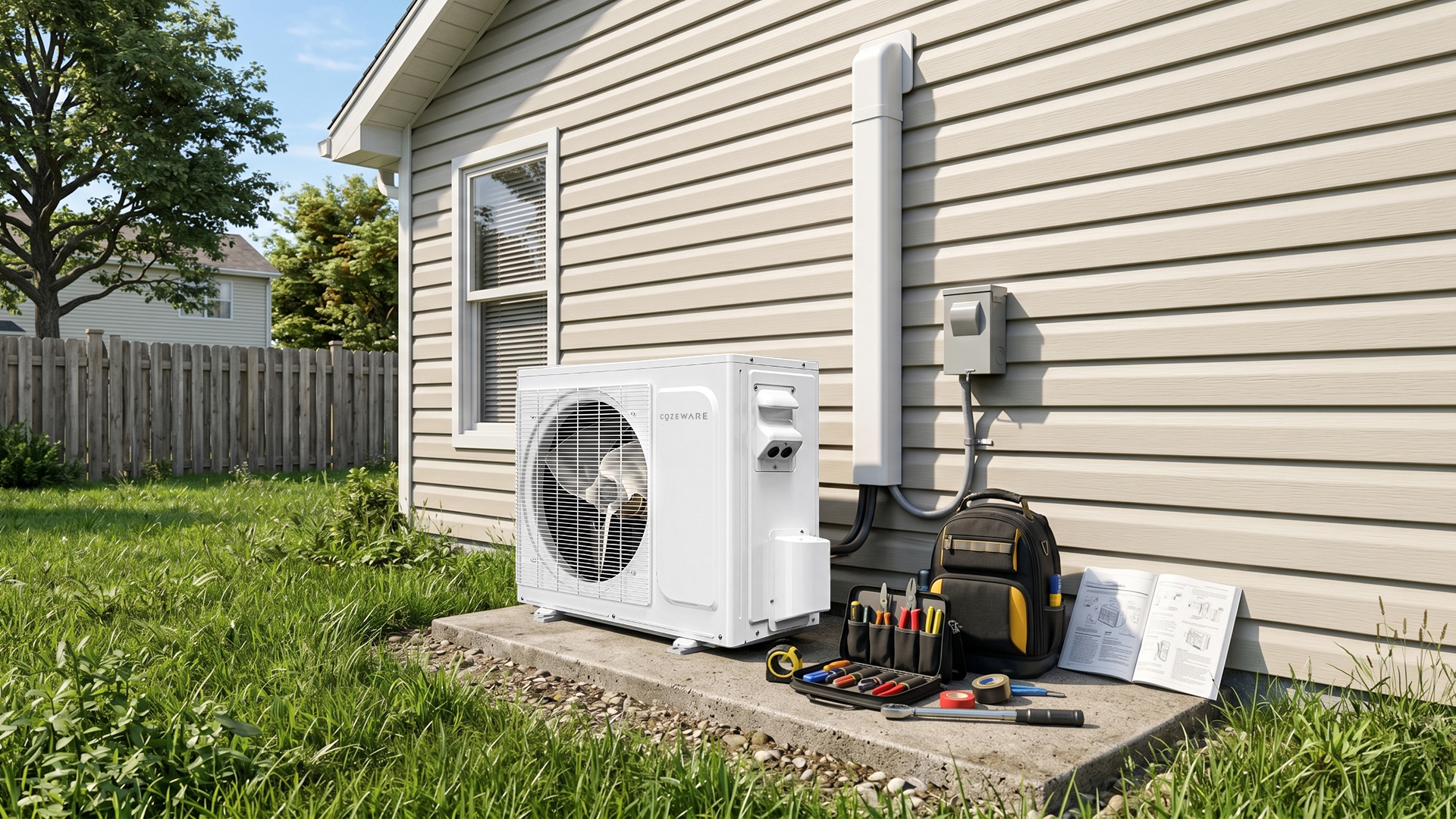
Site and Structural Requirements
Adequate wall space for the indoor unit, typically near the ceiling for optimal airflow
Clearance for the outdoor unit, usually requiring at least 12 inches from walls or obstructions
Stable, level surface for the outdoor condenser, such as a concrete pad or wall-mounting brackets
Access for line sets to run between indoor and outdoor units without excessive bending
Electrical Requirements
Dedicated circuit sized according to the unit's voltage and amperage requirements
Disconnect switch near the outdoor unit, often required by code
Proper breaker sizing to prevent overloads
Permitting Considerations
Many municipalities require permits for mini split installations, particularly when electrical work is involved. Skipping this step can lead to fines, failed inspections, or issues with insurance claims down the road. It's worth checking with your local building department before starting any installation project.
Comparing Ductless AC Installation Price by Region
Ductless AC installation price can vary considerably depending on where you live. Labor rates, permit fees, and even equipment availability differ from one region to another.

Regional Price Variations
Northeast and West Coast: Higher labor costs often push installation prices toward the upper end of national averages, sometimes 15-25% above the national median
Midwest: Generally more moderate pricing, often falling within or slightly below national averages
South: Competitive labor markets in many areas can result in lower installation costs, though high demand during summer months can temporarily increase prices
Rural vs. urban areas: Rural installations may involve additional travel fees, while urban installations sometimes face higher labor rates but more competitive contractor availability
Getting Accurate Local Quotes
Because pricing varies so much by location, the most reliable way to understand your specific costs is to request quotes from at least three local HVAC contractors. Many offer free in-home assessments that account for your home's specific layout, electrical setup, and the system size that best fits your needs.
Planning Your Mini Split Installation Budget
Understanding the full scope of mini split installation costs—from equipment and labor to permits and electrical work—helps you plan realistically and avoid surprises. While DIY options can offer meaningful savings for simpler projects, professional installation provides peace of mind through proper sizing, code compliance, and warranty protection.
Whichever route you choose, gathering multiple quotes and clearly understanding your home's specific requirements will put you in the best position to make a confident, cost-effective decision.