
When it comes to choosing the right air conditioning system for your home, one of the most common searches on Google is "mini-split AC vs central AC". Homeowners across the U.S. are comparing ductless mini-split systems, central air conditioning cost, energy efficiency, and quiet AC units before making a decision.
If you're weighing your options, this guide breaks down the real-world differences in a clear, practical way—so you can decide what fits your home, budget, and comfort preferences.

What Is a Mini-Split AC?
A mini-split AC system (also called a ductless mini-split) includes an outdoor condenser and one or more indoor air handlers mounted on walls or ceilings. These systems don’t require ductwork, which is why many homeowners search for:
"mini split installation cost"
"best ductless AC for bedrooms"
"mini split vs central air efficiency"
Mini-splits are especially popular in homes without existing ducts, room additions, garages, and multi-zone setups.
What Is Central AC?
A central air conditioning system cools your entire home using one outdoor unit connected to an indoor air handler and a network of ducts. It’s commonly searched as:
"central air conditioning cost"
"how long does central AC last"
"is central air worth it"
Central AC is often installed in new constructions or homes that already have ductwork in place.
Mini-Split vs Central AC: Key Differences
1. Noise Level: Which Is Quieter?
If you've ever Googled "quietest air conditioner for home," this is where mini-splits stand out.
Mini-Split: Much Quieter
Mini-split indoor units typically operate around 25-35 decibels—quieter than a whisper in some cases. The compressor sits outside, and there's no duct noise or air rushing through vents.
This makes mini-splits ideal for:
Bedrooms
Nurseries
Home offices
Living rooms where TV clarity matters
Central AC: Louder Overall
While modern central AC systems are improved, you'll still hear:
Air moving through ducts
Vent airflow noise
Occasional rattling or duct vibration
For light sleepers or remote workers, this can be a noticeable difference.
2. Temperature Control: Can You Set Different Temperatures in Each Room?
A very common search is "can central air have different temperatures in each room?"
Central AC: One Temperature for the Whole House
Standard central AC systems use a single thermostat. That means:
All rooms cool to the same temperature
You can’t independently control bedrooms vs living areas
Upstairs and downstairs temperature differences can be frustrating
While zoning systems exist, they require additional dampers and cost more.
Mini-Split: True Zoned Cooling
Mini-splits are built for multi-zone comfort. Each indoor unit has its own remote or smart control.
That means:
Different temperatures in different rooms
No wasted cooling in unused spaces
Personalized comfort for every family member
If you've searched "AC for multi-room temperature control" or "best AC for home zoning," mini-split systems are designed exactly for that.
3. Airflow: Which Feels More Comfortable?
Comfort isn't just about temperature—it's about how the air feels.
Mini-Split: Softer, More Controlled Airflow
Mini-split systems distribute air more gently and precisely. Many models allow you to:
Adjust airflow direction
Control fan speed
Avoid direct cold blasts
This creates a softer, more natural cooling experience.
If you’ve ever felt uncomfortable sitting directly under a vent, you'll appreciate the difference.
Central AC: Stronger, Less Flexible Airflow
Central AC pushes air through ducts at higher pressure. This can feel:
Stronger
Less adjustable
Drafty near vents
You typically cannot fine-tune airflow room by room without modifying the duct system.
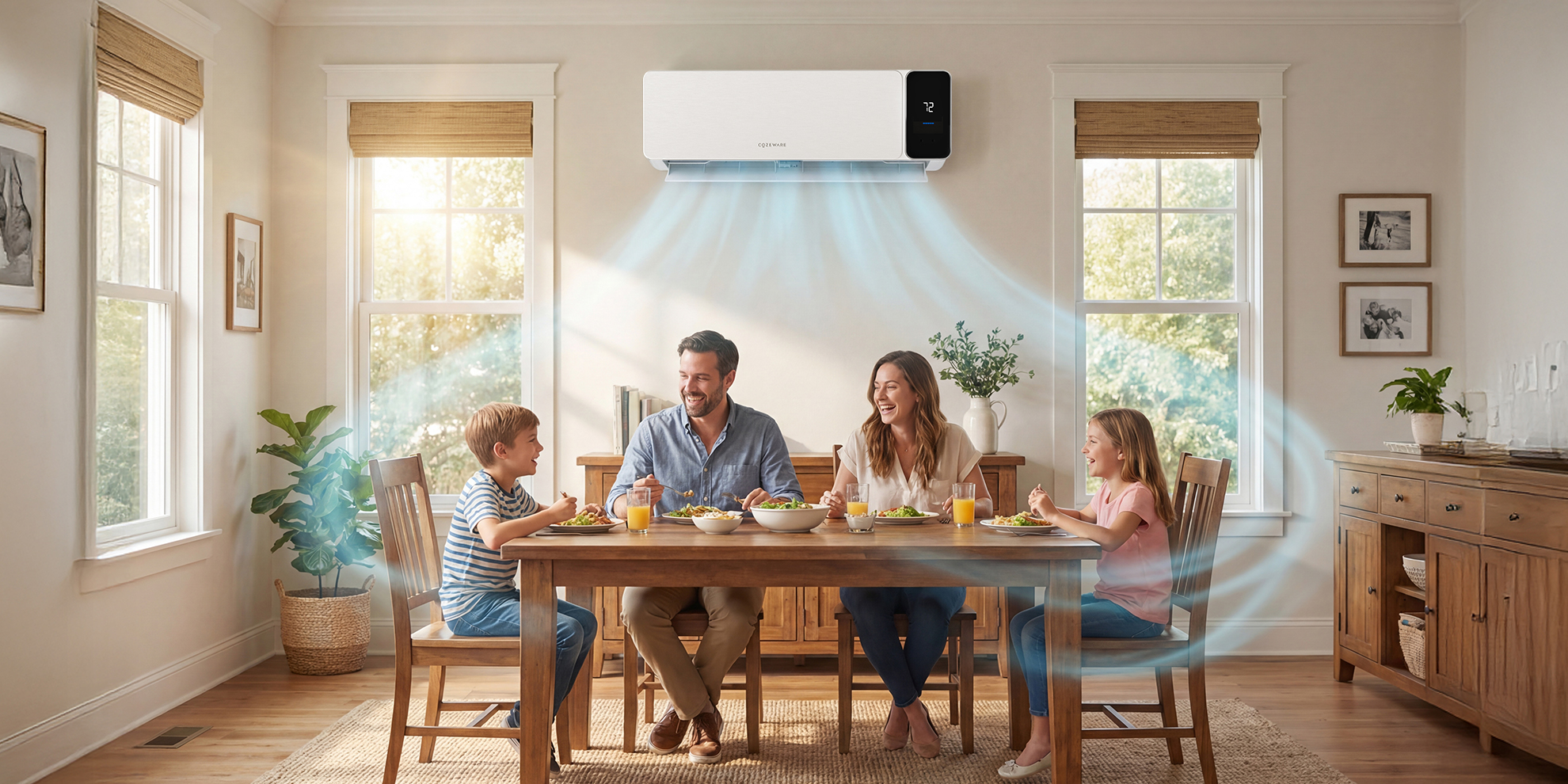
4. Energy Efficiency and Cost
One of the most searched phrases online is "mini split vs central air energy efficiency."
Mini-Split Systems:
No duct energy loss (ducts can waste up to 20–30% of energy)
Higher SEER ratings in many cases
Targeted cooling reduces wasted electricity
Central AC:
Efficient for cooling large homes at once
More cost-effective if ducts already exist
May waste energy cooling unused rooms
If you're researching "how to lower electric bill in summer," zoned mini-splits often provide better control.
5. Installation Considerations
Search trends show many homeowners asking:
"Is mini split cheaper than central air?
"Cost to install central AC in existing home"
Mini-Split Installation:
Easier for homes without ducts
Minimal structural modification
Faster installation
Central AC Installation:
Expensive if ducts need to be added
More invasive process
Longer timeline
For older homes without ductwork, mini-split systems often make more financial sense.
Final Thoughts
When comparing mini-split AC vs central AC, the right choice depends on your home layout and comfort priorities.
If you value:
Quiet operation
Different temperatures in each room
Softer, more controlled airflow
Energy savings through zoning
A ductless mini-split system may be the better investment.
If you prefer:
A single system cooling the entire house
Already have ductwork installed
Don’t need room-by-room control
Central AC can still be a practical solution.
As more U.S. homeowners search for "best air conditioner for home 2026" and "most energy-efficient AC system," mini-split systems continue to grow in popularity—especially for modern, comfort-focused living.